Things You Should Know About In Vitro Fertilization (IVF)
Overview
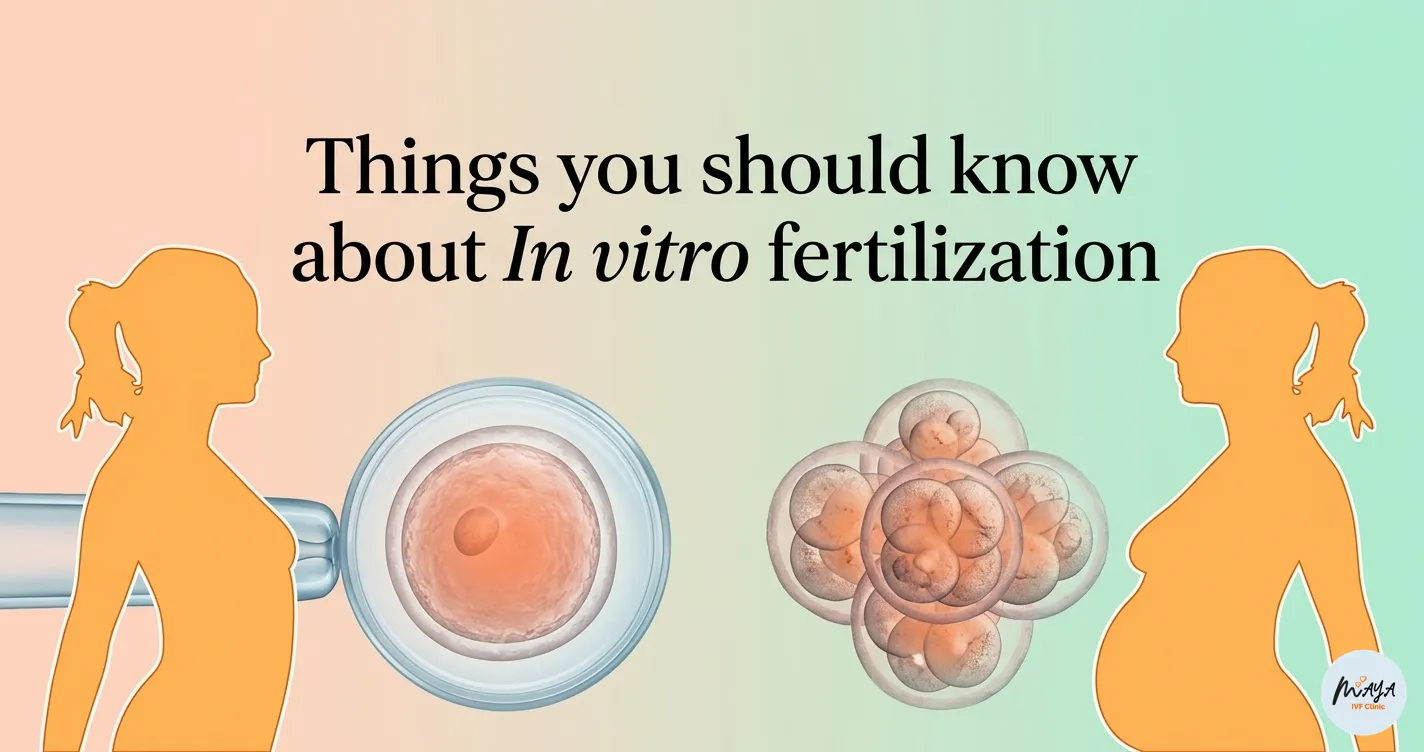
In vitro fertilization (IVF) is a fertility treatment in which eggs are fertilized with sperm in a laboratory. The resulting embryo is then placed in the uterus or frozen for later use. For most people, one IVF cycle takes about three to six weeks. This guide walks through each stage, from ovarian stimulation to the pregnancy test, and lists what to ask a fertility specialist, including at a clinic in Nepal.
IVF is not right for everyone, and no clinic can guarantee a pregnancy. If you are still working out why pregnancy hasn't happened, start with our page on infertility and IVF, which covers causes and diagnosis. This page starts with IVF itself.
What is in vitro fertilization (IVF)?
IVF is a form of assisted reproductive technology (ART). Medicines help the ovaries produce several mature eggs, and the eggs are collected. Fertilization then takes place in a laboratory instead of inside the body. An embryo is transferred into the uterus, or embryos are frozen (cryopreserved) for a later frozen embryo transfer. "In vitro" is Latin for "in glass."
Three terms are often confused:
IVF is the whole treatment cycle.
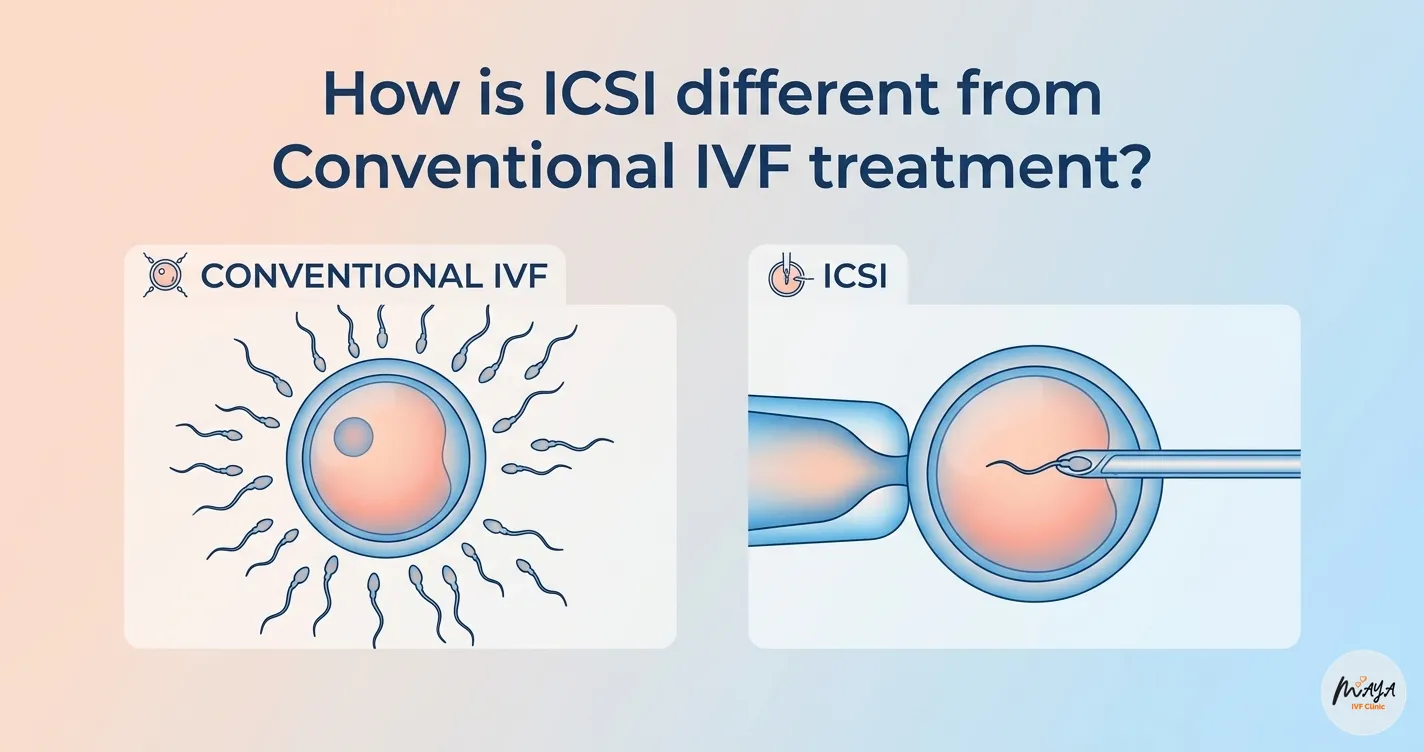
ICSI (intracytoplasmic sperm injection) is a laboratory technique used within an IVF cycle. A single sperm is injected into an egg.
IUI (intrauterine insemination) is a simpler, separate treatment. Prepared sperm is placed in the uterus, so fertilization still happens in the body. See IUI versus IVF.
A short history of IVF
Louise Joy Brown, the first person born after successful IVF, was born on 25 July 1978 at Oldham General Hospital in England. Her mother had blocked fallopian tubes. The work was led by physiologist Robert Edwards and gynecologist Patrick Steptoe, with embryologist Jean Purdy. Edwards received the 2010 Nobel Prize in Physiology or Medicine for developing IVF. Laboratory methods and medicines have changed greatly since 1978, so today's cycle is not the procedure that produced that first birth.
How does the IVF process work? The stages in order
An IVF cycle has six stages: assessment and planning, ovarian stimulation with monitoring, egg retrieval, fertilization and embryo culture, embryo transfer or freezing, and a pregnancy test. Protocols and timing vary between patients and clinics, and not every embryo is transferred fresh.
Assessment and treatment planning
Nobody starts IVF with an injection. First comes a conversation about your history. Then come tests of ovulation, the uterus and fallopian tubes, and the semen sample. Professional guidelines describe the basic fertility evaluation as checking ovulation, tubal patency, and semen quality. The results decide whether IVF makes sense and which version of it suits you.
By the end of this stage you should have a written plan, an explanation of your medicines, and consent forms to sign.
Ovarian stimulation and follicle monitoring
In a natural cycle, the body usually matures one egg. Stimulation aims for several, because not every egg will fertilize and not every embryo will develop. Daily hormone injections, given at home once you've been shown how, encourage a group of follicles to grow together. Follicles are the small fluid-filled sacs in the ovary that each hold an egg.
Some protocols begin with a medicine that pauses your natural cycle. Others skip that step. Your specialist chooses based on your situation.
Throughout, ultrasound scans and blood tests show how the follicles respond, and doses may be adjusted. Expect several clinic visits over about two weeks. Bloating and tiredness are common. Severe pain, rapid weight gain or breathlessness are not, so call the clinic straight away if they happen.
Trigger injection and egg retrieval
When the follicles reach a suitable size, a trigger injection completes the eggs' maturation. Timing matters. Retrieval is booked roughly 36 hours later, so take the injection at the exact time the clinic gives you.
Retrieval itself is brief. Guided by ultrasound, the doctor passes a thin needle through the vagina into each follicle and collects the fluid. The embryologist checks it under a microscope for eggs. One NHS hospital describes the procedure as taking about 20 minutes under sedation or general anesthesia, with most women home within a couple of hours. Practice varies, so ask what your clinic uses. Cramping afterwards is normal.
A semen sample is prepared on the same day. It may come from a partner or a donor, or be a frozen sample arranged earlier.
In the laboratory
Fertilization: conventional insemination or ICSI
There are two ways to bring egg and sperm together. In conventional insemination, prepared sperm is placed with the eggs and fertilization happens on its own. In ICSI, the embryologist injects a single sperm directly into an egg. ICSI is often chosen when semen results suggest conventional insemination may be less likely to work. Our page on ICSI and conventional IVF explains the choice.
The next day, the embryologist checks which eggs have fertilized. Fewer than the number collected will have done so. That is expected.
Embryo development
Fertilized eggs are kept in an incubator and watched as they divide and grow, for up to six days. The embryologist assesses each embryo's development and, with your doctor, decides which to transfer and which, if any, are suitable to freeze. Many people find this the hardest stage to wait through, because news from the lab can change day to day. Ask your clinic how and when it will update you.
Transfer now, or freeze for later
In a fresh transfer, an embryo is placed in the uterus during the same cycle as retrieval. A thin tube is passed through the vagina, and the procedure is usually quick. In a frozen embryo transfer (FET), embryos are cryopreserved and transferred in a later, prepared cycle. A clinic may suggest freezing all embryos for medical reasons or to prepare the uterus better. Our page on fresh versus frozen transfer compares the two.
How many embryos to transfer is a real decision. More embryos can raise the chance of pregnancy but also the chance of twins or more, which carries greater risk. Single embryo transfer is often recommended where it suits your circumstances. You will usually be given hormone support such as progesterone. Take it exactly as prescribed.
The wait, the test, and what follows
The pregnancy test is typically about two weeks after transfer. Some units count from egg collection, and NHS guidance mentions around 16 days after transfer. Use the date and test type your clinic gives you: a blood test for beta-hCG (human chorionic gonadotropin, a hormone produced after implantation) or a urine test. Testing earlier can mislead.
A positive result is followed by an ultrasound, usually at about 7 weeks of pregnancy, to see how the pregnancy is developing. A positive hCG alone is not the end of monitoring. After a negative result, clinics usually arrange a review appointment to talk through the cycle and the options. In either case, do not stop or change your medicines until the clinic tells you to, and report any pain or bleeding promptly.
When a cycle does not go as planned
Cycles don't always run to plan. Follicles may grow slowly or too fast, few eggs may be collected, or eggs may not fertilize. Your doctor may change the medicines, postpone retrieval, or stop the cycle and propose a different approach next time. A negative test is a real loss. The follow-up appointment exists partly so you can ask what, if anything, should change. Ask early about counselling support.
Risks to understand before starting
Most people get through treatment without serious problems, but risks exist. Ovarian hyperstimulation syndrome (OHSS) is uncommon but can be dangerous. It comes from over-stimulated ovaries. Other recognized risks include multiple pregnancy, ectopic pregnancy, miscarriage, and medication side effects.
Seek urgent care for severe abdominal pain, marked swelling, breathlessness, or pain with bleeding after a positive test. IVF also demands time, money, and emotional energy, and a cycle may not end in pregnancy.
Who may be advised to consider IVF, and when to seek help
A fertility specialist may discuss IVF when the cause of infertility makes simpler treatment unlikely to work or when other treatments have not worked. Examples include blocked or damaged fallopian tubes, certain forms of male-factor infertility, ovulation problems, endometriosis in selected cases, and unexplained infertility after assessment. IVF can also be part of fertility preservation or of treatment using donor eggs, sperm, or embryos where medically and legally appropriate. None of this makes IVF automatic. The recommendation depends on your diagnosis, age, history, preferences, and the alternatives.
On timing, the American Society for Reproductive Medicine advises evaluation after 12 months of trying under age 35 and after 6 months from age 35. Evaluation should happen sooner when a cause of infertility is already known. Waiting is not advised once a woman is over 40. An evaluation is a conversation about your options, not a commitment to IVF.
Questions to ask an IVF clinic in Nepal
Is the clinic registered with the relevant health authority, and can I see the registration?
Which doctor and embryologist will be involved in my cycle?
What does the quoted price cover: scans, retrieval, laboratory work, ICSI, freezing, storage, and each transfer?
Which medicines will I need, and are they included?
How many embryos do you usually transfer, and when would you advise one?
How do you report outcomes, and for my age group?
What happens, and what does it cost, if the cycle is stopped or changed?
Who do I call out of hours?
Is the clinic registered with the relevant health authority, and can I see the registration?
Which doctor and embryologist will be involved in my cycle?
What does the quoted price cover: scans, retrieval, laboratory work, ICSI, freezing, storage, and each transfer?
Which medicines will I need, and are they included?
How many embryos do you usually transfer, and when would you advise one?
How do you report outcomes, and for my age group?
What happens, and what does it cost, if the cycle is stopped or changed?
Who do I call out of hours?
Be cautious of any clinic that promises very high success rates without explaining how they are calculated. Costs and services change, so confirm them directly. Our page on IVF treatment in Nepal describes the services we offer.
Frequently asked questions
Is IVF painful?
Most discomfort comes from the injections, bloating during stimulation, and cramping after retrieval. Retrieval is usually done under sedation or general anesthesia, so you should not feel the procedure itself, though practice varies. Embryo transfer is generally quick and does not normally need anesthesia. Ask your clinic about recovery time and when you can return to work.
Will IVF work the first time?
Sometimes, but not always, and no clinic can promise it. Results depend on your age, the cause of infertility, and egg and sperm quality. Some people need more than one cycle. Ask the clinic for outcome figures for your age group and how they are counted.
Are babies born after IVF healthy?
Most are. Twin and higher-order pregnancies carry more risk, which is one reason single embryo transfer is often advised. Some hospital patient information also lists a slightly higher risk of congenital anomalies. Your doctor can explain what applies to you.
Does my partner need to be at the clinic on the day of retrieval?
Usually a fresh semen sample is provided around that day so the lab can prepare it. A frozen sample or donor sperm can be used instead if arranged in advance. Confirm the arrangements with your clinic beforehand.
Does a positive pregnancy test mean everything is fine?
It means the pregnancy hormone is present. An ultrasound at around 7 weeks shows how the pregnancy is developing, so keep your follow-up appointments.
Can I stop my medicines if the test is negative?
Not on your own. Some medicines are adjusted or stopped after a result, but which ones, and when, is for your clinical team to decide. Call the clinic with the result and ask what to do with each medicine.
Can single people and same-sex couples have IVF?
It depends on medical and legal factors and on clinic policy. Ask the team what is possible in your situation before booking.
Talk to our fertility team
If you are considering IVF, a consultation at MAYA IVF Clinic can help you work out whether it suits your situation, what the alternatives are, and what a plan would involve. You can ask questions before deciding anything.
Phone: 9813755826 / 01-5455499
Email: info@mayaivfclinic.com
Address: BBC Building, UN Park, Kupandole
Hours: Sunday to Friday, 9:00 AM to 6:00 PM
Our Latest Blogs

Infertility Myths and Facts in Nepal: What Couples...
Quick AnswerInfertility affects an estimated 1 in 6 people globally during their reproductive years,...
How Is ICSI Different From Conventional IVF Treatm...
Quick answer: Conventional IVF places sperm and eggs together in a dish and allows fertilization to...
5 Common Causes of Infertility in Women
OverviewWhen months pass without a positive pregnancy test, worry tends to creep in quietly. If that...

 Nepal International Fertility and Laparoscopic Centre (NIFLC).
All rights reserved.
Nepal International Fertility and Laparoscopic Centre (NIFLC).
All rights reserved.