

IVF process showing egg retrieval, fertilization, and embryo transfer for infertility treatment.
Blog Details
- Home
- Blog Details
Genetics and Fertility: Causes, Testing and PGT Explained
Genetics and fertility are connected, but the link is narrower than many people assume. Changes in genes or chromosomes can affect sperm or egg production, embryo development, implantation, and whether a pregnancy continues. They are one possible cause among many, and most couples who struggle to conceive do not have an identifiable genetic cause. Genetic testing is not needed by everyone. It is usually considered when there is a family history of an inherited condition, repeated pregnancy loss, a known chromosomal finding, or an IVF plan in which embryo testing is relevant.
How Can Genetics Affect Fertility?
Genes are the instructions written in DNA, and chromosomes are the structures that carry them. A typical human cell has 46 chromosomes, 23 inherited from each parent. Fertility depends on eggs and sperm forming normally and on an embryo receiving the right amount of genetic material from both.
Genetic or chromosomal factors can interfere at several points: hormone signaling, the production of eggs or sperm, embryo development, and implantation. Both partners can contribute. A genetic change may be inherited, or it may arise by chance when eggs or sperm form or when an embryo first divides.
Can genetics cause infertility?
Yes, in some people. Genetic and chromosomal factors can affect fertility in both men and women, but they explain only a minority of cases.
Genetics Is One Part of Infertility
Infertility rarely has a single cause. Ovulation disorders, blocked fallopian tubes, endometriosis, uterine conditions, sperm-related problems and age-related decline in egg quality all play a part, often in combination. Our guide to the common causes of infertility in women covers these in detail. Some couples remain without a clear cause even after a full evaluation. Having a genetic factor does not mean pregnancy is impossible, and having none does not guarantee an easy conception.
What Are Chromosomal Abnormalities?
A chromosomal abnormality is a change in the number or structure of chromosomes. Numerical changes mean a chromosome is missing or extra. Structural changes mean a segment is deleted, duplicated, or rearranged.
Not every chromosomal change causes infertility. A person with a balanced translocation, where pieces of two chromosomes have swapped places, usually has no symptoms. The difficulty arises when their eggs or sperm pass on an unbalanced set, which can lead to implantation failure, miscarriage, or a child with a chromosomal condition.
What Is Aneuploidy?
Aneuploidy means an abnormal number of chromosomes. In embryos, aneuploidy is common, particularly in embryos created from older eggs, and it can affect implantation, development or the likelihood that a pregnancy continues. Most aneuploidy arises by chance during egg or sperm formation, not from a parent's inherited condition.
Genetics and Female Fertility
In women, a small number of genetic conditions affect ovarian function. Turner syndrome, in which one X chromosome is missing or altered, is associated with early loss of ovarian function. An FMR1 gene premutation, linked to Fragile X syndrome, is associated with premature ovarian insufficiency. These are uncommon, and most women with fertility difficulties do not have them.
The more widespread genetic issue is age-related. Eggs are as old as the woman, and the proportion of eggs and embryos with chromosomal abnormalities rises with maternal age.
Genetics and Male Fertility
Male fertility is affected by genetics as well. Examples include Klinefelter syndrome (an extra X chromosome), microdeletions on the Y chromosome that can cause very low or absent sperm production, and changes in the CFTR gene that can cause congenital absence of the vas deferens. Balanced chromosomal rearrangements in men can also lead to abnormal sperm.
A semen analysis is the first step. Genetic tests such as a karyotype or a Y-chromosome microdeletion test may be considered in selected cases, for example, when sperm counts are very low or absent.
Genetics and Recurrent Miscarriage
Recurrent pregnancy loss is generally defined by ASRM as two or more clinical pregnancy losses, and evaluation may begin after two. Chromosomal abnormalities in the embryo are an important cause of early pregnancy loss. In most cases they are random events, not inherited problems, which is why a single miscarriage rarely signals a lasting problem.
Only a small minority of couples with repeated loss have a parent who carries a balanced chromosomal rearrangement. Other causes include uterine anatomy, hormonal and clotting disorders, and in many couples no cause is found. Depending on the history, evaluation may involve parental chromosome testing, testing of pregnancy tissue after a loss, or both. PGT is not a universal answer to miscarriage.
How Does Age Affect Chromosomal Abnormalities?
As a woman gets older, a larger proportion of her embryos tend to have chromosomal abnormalities. Egg quality declines gradually, not at a single birthday, and individual variation is wide. Population-level patterns do not predict what will happen for one person, and many women in their late thirties and forties have embryos with typical chromosome numbers.
What Genetic Tests May Be Used in Fertility Care?
"Genetic testing" covers different tests with different purposes:
Carrier screening checks whether one or both partners carry changes linked to certain inherited conditions that could be passed to a child.
Genetic testing for infertility, such as karyotyping, may be considered in selected situations depending on the clinical history.
Testing of pregnancy tissue after a loss can show whether the pregnancy had a chromosomal abnormality.
Preimplantation genetic testing (PGT) tests embryos created through IVF.
What Is Preimplantation Genetic Testing (PGT)?
Preimplantation genetic testing (PGT) analyses a few cells taken from an embryo for specific genetic or chromosomal findings before transfer. It requires IVF, because embryos must be created and grown in the laboratory. If you want a refresher on the steps, see how an IVF cycle works.
In general, a small sample of cells is taken from the outer layer of a blastocyst, typically on day five or six of development. The sample is analyzed, and the embryo is usually frozen while the results are awaited. The report may classify an embryo as euploid (with the expected number of chromosomes), aneuploid (with an abnormal number of chromosomes), or mosaic (containing a mixture of cell types). These results may help inform which embryo is selected for transfer. However, PGT results do not guarantee implantation, pregnancy, or the birth of a healthy baby, and an embryo should not be described as “healthy” based on a PGT result alone.
What Is PGT-A?
PGT-A (preimplantation genetic testing for aneuploidy) looks at chromosome number. It is intended to identify embryos with missing or extra chromosomes. It does not test for inherited single-gene conditions.
What Is PGT-M?
PGT-M (preimplantation genetic testing for monogenic conditions) tests for one specific, known single-gene condition, such as thalassemia or cystic fibrosis. It is relevant when a familial change or carrier status is already known, and the test is designed around that specific variant.
What Is PGT-SR?
PGT-SR (preimplantation genetic testing for structural rearrangements) is used when a parent carries a structural chromosomal rearrangement, such as a translocation, to identify embryos with an unbalanced result.
These tests are not interchangeable. At MAYA IVF Clinic, our services page lists PGT-A and PGT-M. Whether any PGT test is appropriate, and what can be arranged for your situation, is decided at consultation.
Does Every IVF Patient Need PGT?
No. PGT is not automatically required for IVF. Whether it is appropriate depends on your medical history, age, reproductive history, any known genetic condition or chromosomal rearrangement, previous IVF results, and your goals, assessed with a fertility specialist and, where relevant, a genetic counselor.
The American Society for Reproductive Medicine's 2024 committee opinion on PGT-A notes that the value of PGT-A as a routine screening test for all IVF patients has not been established and that its effect on miscarriage risk remains unclear. The picture is different for PGT-M and PGT-SR, which are used for defined genetic indications.
What Are the Limitations of PGT?
PGT tests for particular findings, not every possible health condition. Results can be inconclusive, mosaic results require careful counselling, and a euploid result does not guarantee implantation or live birth. Some people have few or no embryos to test, and testing adds cost. Prenatal diagnostic testing may still be offered during pregnancy. None of this means PGT is unhelpful. It means the decision should be informed.
When Should You Consider Genetic Counseling?
Genetic counseling may be appropriate if:
You have a family history of an inherited condition
You have had repeated pregnancy loss
A parent is known to carry a chromosomal rearrangement;
A severe, unexplained reproductive problem suggests genetic evaluation;
You are considering PGT.
It is not necessary for everyone experiencing infertility.
In Nepal, availability of genetic tests and PGT varies between clinics. When you discuss it, ask which test is proposed, what it can and cannot detect, how results are reported, where the sample is analyzed, and what it costs. A qualified specialist can answer these for your situation.
Frequently Asked Questions
Is infertility hereditary?
Sometimes. Certain conditions that affect fertility can run in families, but most infertility is not caused by an inherited condition.
Can male infertility be genetic?
Yes. Examples include Klinefelter syndrome and Y-chromosome microdeletions, though most male infertility has other or unidentified causes.
Can PGT prevent miscarriage?
Not reliably in every case. PGT-A can reduce the transfer of embryos with certain chromosomal findings, but miscarriage has many causes, and the benefit varies by situation.
Does PGT guarantee a healthy baby?
No. PGT tests for specific findings only, and no technology can guarantee a healthy child.
Is genetic testing necessary before IVF?
Not for everyone. It depends on your history, and a specialist can advise whether any test is appropriate.
Our Latest Blogs

Infertility Myths and Facts in Nepal: What Couples...
Quick AnswerInfertility affects an estimated 1 in 6 people globally during their reproductive years,...
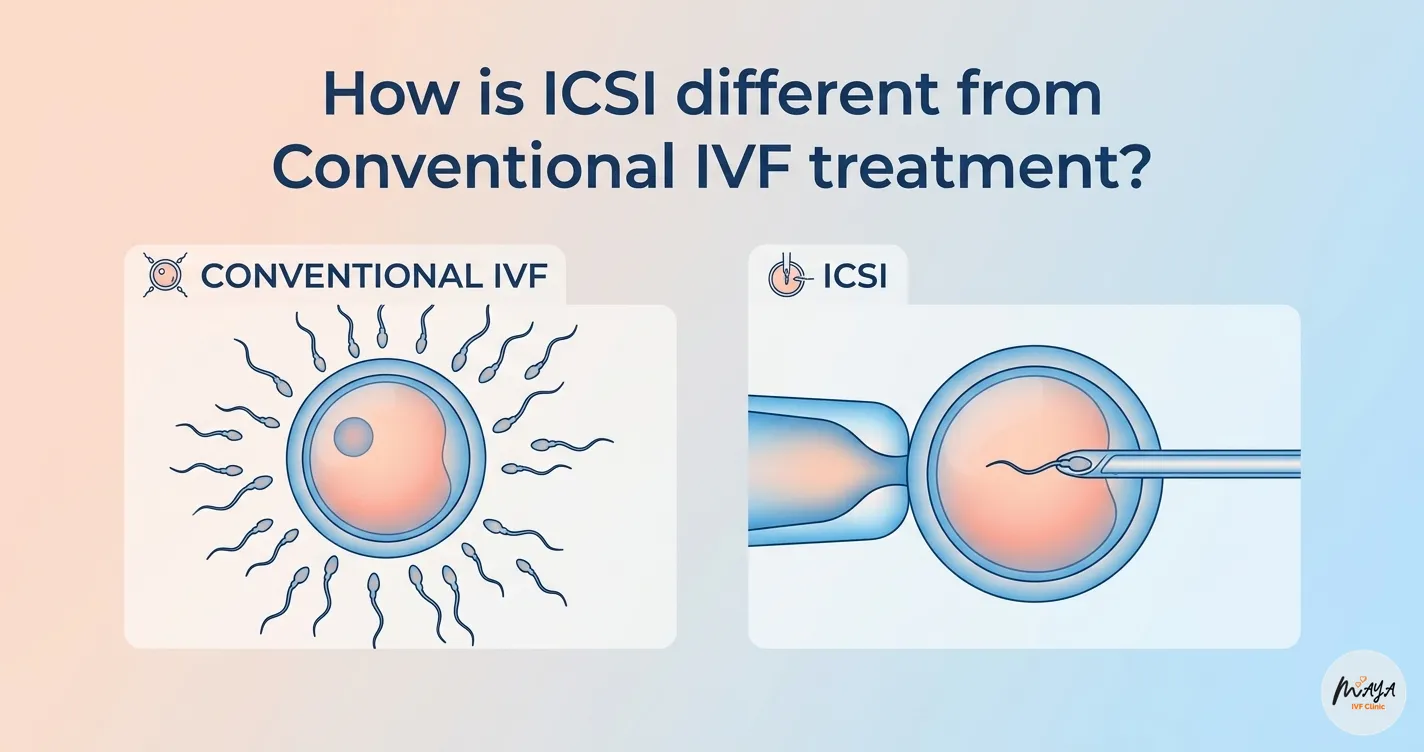
How Is ICSI Different From Conventional IVF Treatm...
OverviewConventional IVF places sperm and eggs together in a dish and allows fertilization to happen...
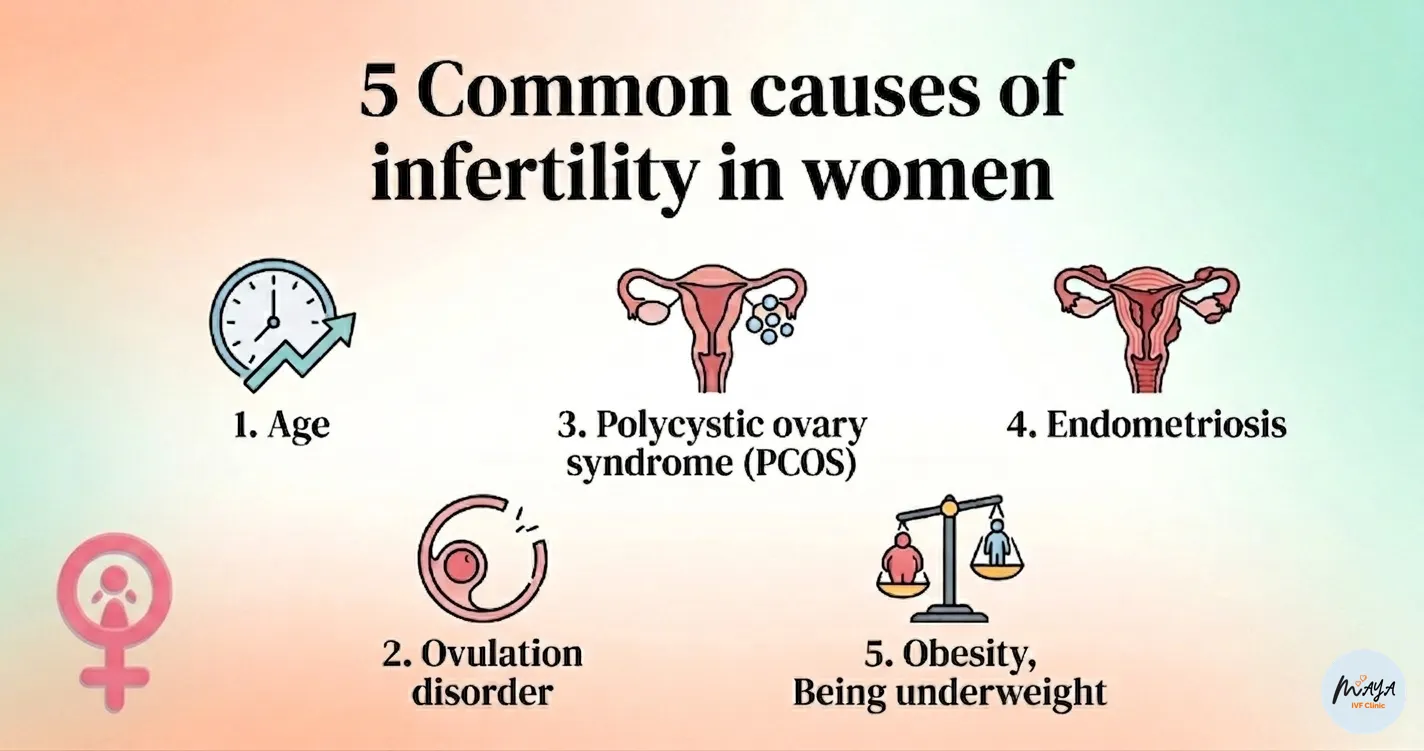
5 Common Causes of Infertility in Women
OverviewWhen months pass without a positive pregnancy test, worry tends to creep in quietly. If that...

 Nepal International Fertility and Laparoscopic Centre (NIFLC).
All rights reserved.