

IVF Timeline: How Long Does the IVF Process Take From Start to Finish?
Overview
IVF duration depends on which part of treatment is being counted. The active treatment phase, from starting ovarian stimulation to a fresh embryo transfer, may take around 2–3 weeks in some protocols. A complete cycle through the pregnancy test commonly takes around 4–6 weeks. When consultation, testing, preparation, a later frozen embryo transfer, or genetic testing are included, the overall journey can reach 6–8 weeks or longer. These are general ranges, not promises. Your fertility specialist will confirm your own plan.
How Long Does IVF Take?
None of these figures is wrong. Each answers a different question. For patients considering IVF in Nepal, the exact timeline depends on the clinic's protocol and your medical circumstances.
IVF Timeline: Step-by-Step Process
The sequence is IVF cycle → ovarian stimulation → monitoring → trigger injection → egg retrieval → fertilization → embryo culture → fresh transfer or embryo freezing → pregnancy test.
1. Initial consultation and testing
Your specialist reviews your medical history and plans investigations. These may include hormone blood tests, a pelvic ultrasound, and a semen analysis. This stage usually takes place before the cycle begins. Its length varies, so no fixed number applies.
2. Ovarian stimulation and monitoring
Hormone injections encourage several follicles to grow rather than the single egg usually released each month. Developing more than one follicle gives more eggs to work with, because not every egg will fertilize or develop. Stimulation typically lasts about 8–14 days, and many clinics describe it as roughly 10–14. Ultrasound scans and blood tests track the response, and doses may be adjusted. Some protocols add a suppression or pretreatment phase of a few weeks beforehand.
3. Trigger injection
When follicles are a suitable size, a trigger injection finishes egg maturation. Retrieval is scheduled around 36 hours later, which is why trigger timing is planned precisely.
4. Egg retrieval
A fine needle, guided by ultrasound through the vagina, collects eggs from the follicles. The procedure itself is often around 20 minutes, and your clinic will explain what sedation or anesthesia it uses. The eggs go straight to the embryology laboratory.
5. Fertilization and embryo culture
Sperm are prepared and combined with the eggs. In conventional IVF, this happens in a dish. In ICSI, one sperm is injected into each mature egg. Fertilization is checked the next day, then embryos are cultured and monitored for several days, commonly 2–6. Some reach the blastocyst stage, and some do not.
6. Fresh or frozen embryo transfer
A fresh transfer happens in the same treatment cycle when it is clinically appropriate. A frozen transfer uses embryos that were cryopreserved and are transferred in a later cycle after the uterine lining is prepared. Your specialist decides which fits your situation.
7. Pregnancy testing
A beta-hCG blood test is usually done about two weeks after transfer. Clinics vary in the exact day.
Can IVF Be Completed in 2–3 Weeks?
Only in a limited sense. A period of 2–3 weeks can describe the active phase in some protocols: stimulation for about one to two weeks, retrieval, a few days of embryo culture, and a fresh transfer.
It does not include the wait after transfer, which adds around two weeks before a pregnancy test. That brings a complete cycle to roughly 4–6 weeks. Anything that happens before stimulation or after retrieval, such as suppression, freezing, genetic testing, or a later frozen transfer, extends the timeline further.
Why Does IVF Take Longer for Some Patients?
Not everyone experiences all of these, and a longer timeline does not mean treatment is failing.
Protocol: some start with a suppression or pretreatment phase.
Ovarian response: follicles may grow faster or slower than expected.
Monitoring and dose changes: trigger timing may move.
Embryo development: embryos may be transferred on different days.
Genetic testing (PGT): adds laboratory time, so transfer often becomes a later frozen cycle.
Uterine lining preparation: some patients need extra preparation.
Cycle changes: a cycle may be modified, postponed, or cancelled, for example, when the response is low or too strong.
Medical or scheduling needs: additional tests or clinic availability.
Fresh vs Frozen Embryo Transfer: What Is the Timeline Difference?
Frozen transfer usually lengthens the overall journey. It also means stimulation and retrieval need not be repeated if you return for further embryos. Neither approach is automatically better or faster for every patient.
How Long Does IVF Take From the First Appointment?
Counting from your first appointment, a straightforward plan is often described as about 6–8 weeks to the pregnancy test. It can be longer when additional investigations, preparation, genetic testing, or a frozen transfer are needed.
How Many Days Are IVF Injections Needed?
Stimulation injections commonly run for about 8–14 days. The number depends on your protocol and how your follicles respond, so monitoring decides when to stop. A progesterone or similar support medication is typically used after transfer. Your clinic will tell you how long to continue it. Do not change any medication without medical advice.
How Long Does It Take to Know if IVF Worked?
You will usually know after the blood test about two weeks following transfer. Testing earlier can mislead, because hCG may not yet be detectable or may reflect a trigger or medication. Symptoms are unreliable. Progesterone and other medicines can cause signs similar to early pregnancy, so rely on the test, not symptoms. If it is positive, your clinic will arrange follow-up and a repeat test or scan.
Conclusion
The better question is "weeks from what to what." Active treatment may take about 2–3 weeks, a complete cycle commonly 4–6, and the overall journey 6–8 or more. If you are exploring IVF treatment in Nepal, ask your fertility specialist which timeline applies to you.
Frequently Asked Questions
How long does an IVF cycle take?
A typical IVF cycle takes about 4–6 weeks from the start of ovarian stimulation to the pregnancy test. The exact timeline can vary depending on your treatment protocol, response to medication, embryo development, and whether a fresh or frozen embryo transfer is planned.
Can IVF be completed in 2–3 weeks?
The active treatment stage of IVF may take around 2–3 weeks in some treatment protocols. However, the complete process, including embryo development, transfer and pregnancy testing, usually takes longer. Your fertility specialist can provide a more accurate timeline based on your treatment plan.
How many days do IVF injections usually last?
IVF stimulation injections commonly continue for approximately 8–14 days. During this period, your fertility team monitors follicle growth and hormone levels through ultrasound scans and blood tests. The number of days may vary depending on how your ovaries respond to the medication.
How many days after egg retrieval is embryo transfer?
With a fresh embryo transfer, the transfer is usually performed about 2–6 days after egg retrieval, depending on embryo development and the clinic's treatment plan. Some patients may instead have their embryos frozen and transferred during a later cycle.
How long after embryo transfer is the pregnancy test?
A pregnancy test is generally performed around 10–14 days after embryo transfer, although the exact timing depends on your fertility clinic's protocol. Testing too early may give an inaccurate result, so it is important to follow the date recommended by your fertility specialist.
Does frozen embryo transfer take longer than a fresh transfer?
A frozen embryo transfer (FET) may take longer overall because the embryo is transferred during a later treatment cycle. The uterine lining first needs to be prepared and monitored to determine the appropriate time for transfer. However, the exact timeline varies depending on whether a natural or medicated FET cycle is used.
How long does IVF take from the first appointment?
From the first consultation to the pregnancy test, IVF may take approximately 6–8 weeks or longer. Before treatment begins, you may need fertility assessments, blood tests, ultrasound scans, and other investigations. Additional testing or treatment preparation can extend the overall timeline.
Why can IVF take longer for some patients?
IVF does not follow exactly the same schedule for everyone. Treatment may take longer because of the response to ovarian stimulation, the number or development of embryos, the need for genetic testing, embryo freezing, preparation of the uterine lining, or the decision to postpone embryo transfer. Your fertility specialist will adjust the treatment schedule according to your individual needs.
Our Latest Blogs

Infertility Myths and Facts in Nepal: What Couples...
Quick AnswerInfertility affects an estimated 1 in 6 people globally during their reproductive years,...
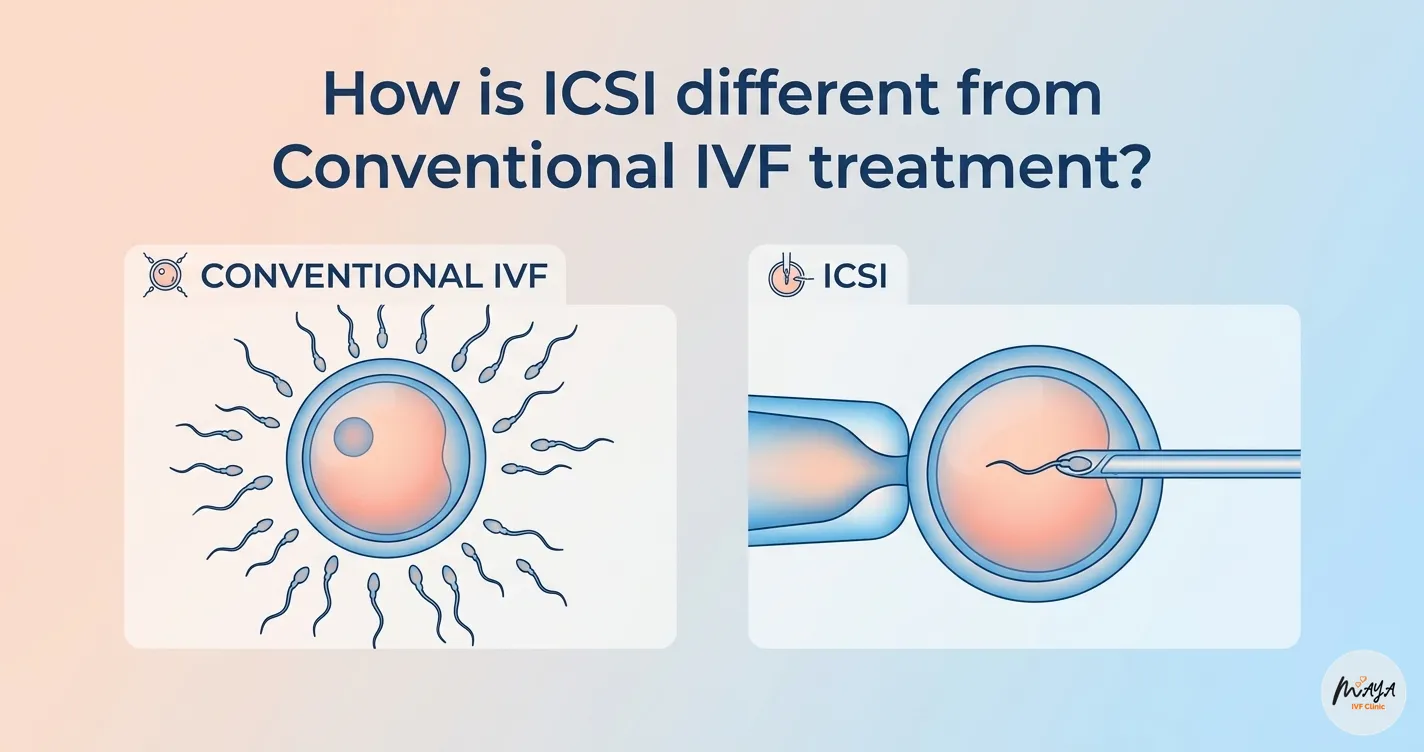
How Is ICSI Different From Conventional IVF Treatm...
OverviewConventional IVF places sperm and eggs together in a dish and allows fertilization to happen...
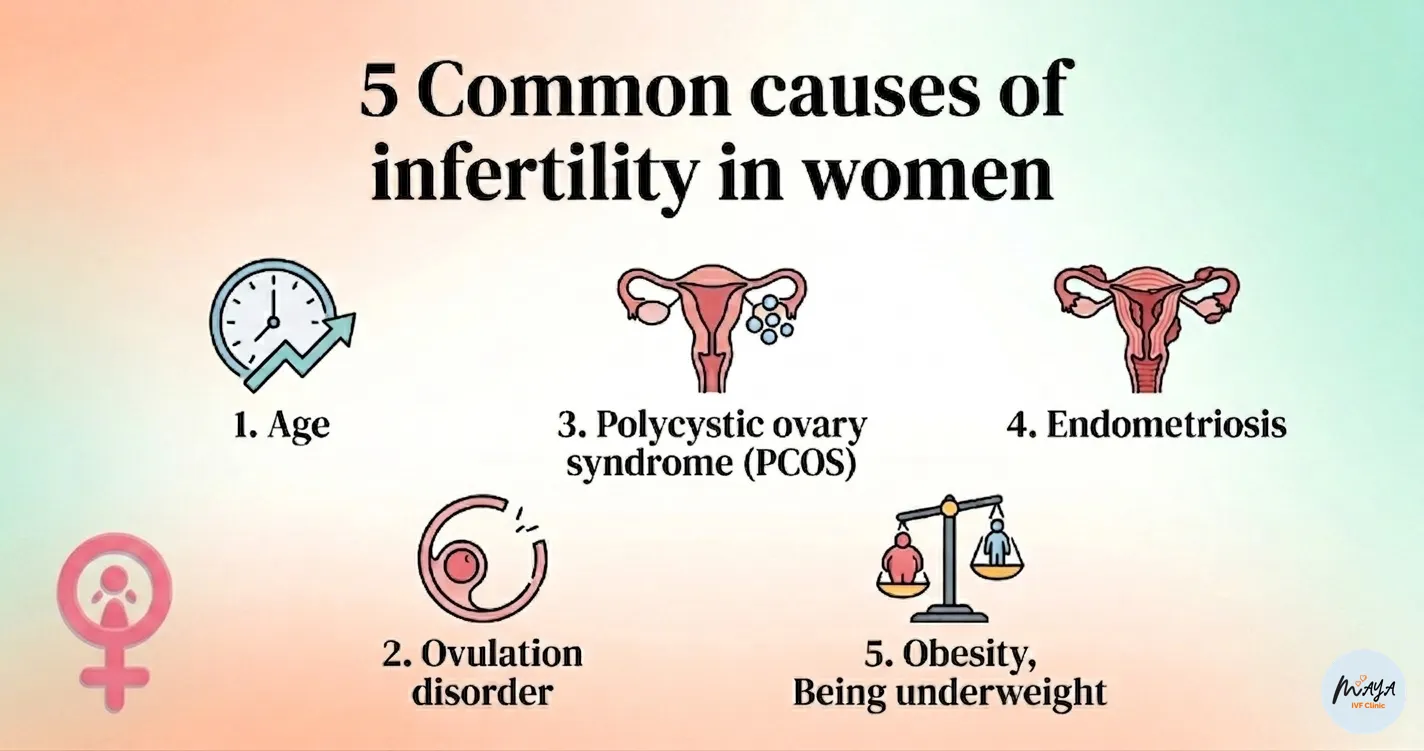
5 Common Causes of Infertility in Women
OverviewWhen months pass without a positive pregnancy test, worry tends to creep in quietly. If that...

 Nepal International Fertility and Laparoscopic Centre (NIFLC).
All rights reserved.