
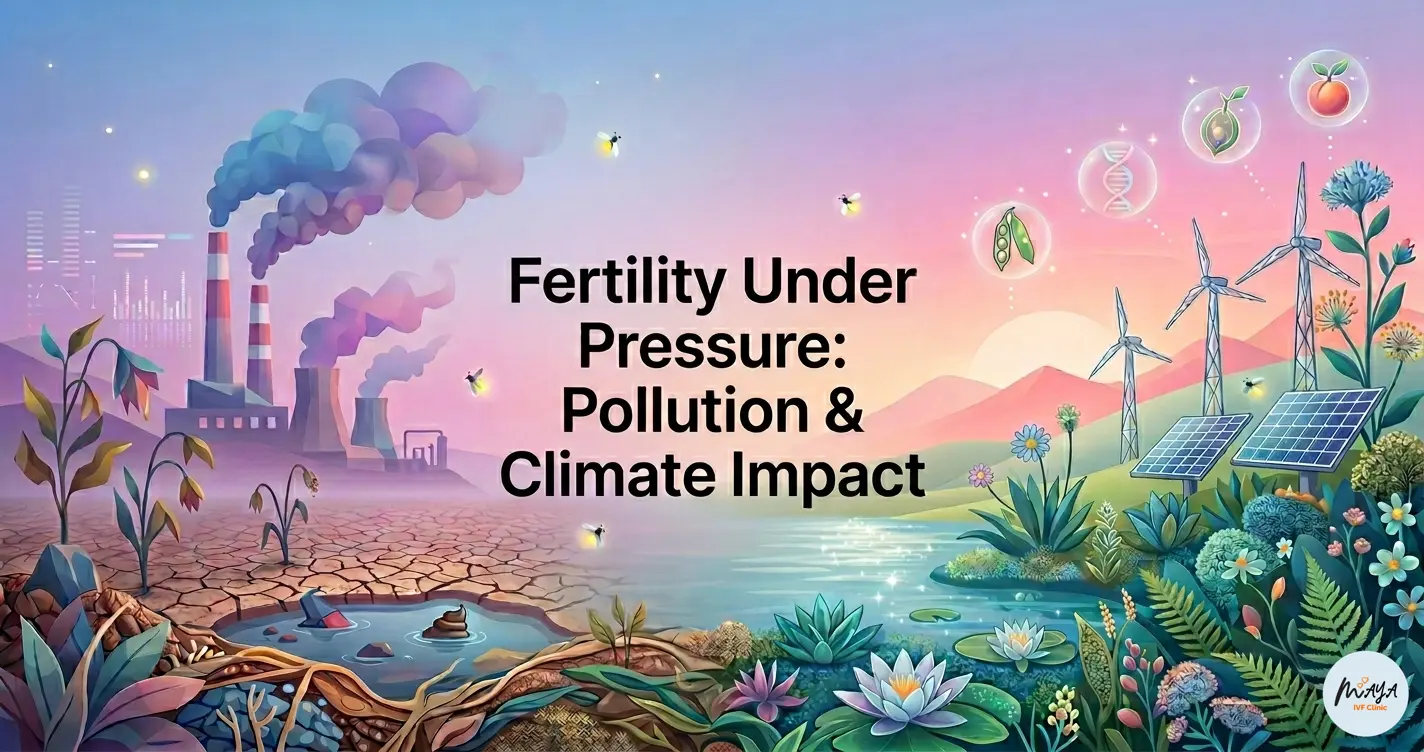
Pollution and Climate Change are emerging threats to fertility. Read expert insights on environmental factors affecting reproductive health.
Blog Details
- Home
- Blog Details
Fertility Under Pressure: Pollution & Climate Impact
Introduction
When couples had trouble having a baby, people usually talked about biology, genetics, or the time it took to get pregnant. Now more and more fertility specialists, environmental toxicologists, and public health experts are saying that there is something else to consider: the world we live in. You wake up in the morning, breathe in the air, drink water that has been filtered, and make yourself something to eat. When you do these things, your body is affected by the world around you. In this day and age, the world is filled with bad things that can harm us, and the weather is getting more and more unstable. This is putting a lot of pressure on one of the basic things that humans need to do: have children. The world around us, the world we live in, is having an impact on our ability to have babies.
Fertility rates are going down all over the world, and they have been doing that for a long time. People are making choices like waiting to have kids, and that is part of the reason. There is a lot of evidence that things in the environment are also a big part of the problem. We are surrounded by things that can hurt us, like the air we breathe when we are near a lot of cars and the plastic that we use to wrap our food. These things have chemicals in them that can mess with our bodies and make it harder to have babies. The World Health Organization says that some of these chemicals are very bad for us. They are called endocrine-disrupting chemicals. The American Society for Reproductive Medicine is also looking at how environmental pollution can harm our ability to have kids. The United Nations Environment Programme is warning us that climate change is not just bad for the Earth; it is also bad for our health. That includes our fertility. Fertility is a deal, and we need to think about how the environment is affecting our fertility.
We are here to help you. We will do this by looking into the facts and figures, talking to doctors, and thinking about what this all means. We will look at how air, tiny plastic pieces, heavy metals, really hot weather, and big storms are changing how well people can have babies. You will see how these things work, what the dangers are for men and women, what happens when a woman is pregnant, and what you can do to keep yourself and your family safe. To start, we need to understand what it means to be able to have babies when things are tough. We will talk about fertility. What fertility really means when we are under a lot of pressure from air pollution, microplastics, heavy metals, and other things, like rising heat and extreme weather events.
Understanding Human Fertility
What is fertility
Fertility is when a person can have a baby. For a man and a woman to have a baby, a lot of things need to happen. The man needs to make sperm, the woman needs to release a healthy egg, the sperm needs to meet the egg, the baby needs to move through the tubes, and the baby needs to stick to the woman's uterus. If any of these things do not happen, then the man and woman might not be able to have a baby. This is called infertility. It is when a man and woman try to have a baby for one year. They cannot. They try every month. It does not work.
How Reproduction Works
Male Reproduction: The testes make sperm all the time. This process of making sperm is very sensitive to temperature and hormonal signals, such as testosterone from the testes. If something bad gets in the way, like something that makes the scrotum too hot or stops the testes from using testosterone, it can hurt the sperm. The sperm count can go down; the sperm can have trouble moving. They can be shaped incorrectly. The testes and testosterone play a role in making healthy sperm.
Female Reproduction: The female reproductive system has a part called the ovaries. They have a limited number of eggs. Every month, the female reproductive system has a cycle. During this cycle, some hormones like FSH, LH, estrogen, and progesterone help the female reproductive system to release an egg. The female reproductive system is very sensitive because it has to work in a certain way and at a certain time every month. The female reproductive system needs to have a balance of these hormones, or it can get messed up.
Key Factors Influencing Fertility
We usually think about things like age, what we eat, how stressed we are, if we smoke, if we drink alcohol, and our genetics. Now we know that the world around us, our environment, is just as important:
Endocrine function – Hormone regulation.
Gamete quality – Sperm and egg integrity.
Reproductive tract health – Fallopian tubes, uterus, cervix.
Implantation environment – Endometrial receptivity.
Current Global Fertility Trends
The total fertility rate has gone down a lot. It used to be around 5 children per woman in 1960. Now it is 2.3 children per woman in 2020. The World Bank says this is what is happening. Some of this is because of birth control and women going to school. There is still a lot we do not understand. The fertility rate and sperm counts are connected to this. Sperm counts have fallen by more than half around the world. This happened between 1973 and 2018. The total fertility rate is affected by this decline in sperm counts. It is happening fast because of genetics. So it has to be because of the way we live and the environment around us. The total fertility rate is still going down.
How Pollution Affects Reproductive Health
Pollution is not one thing; it's a mix of many things like gases, tiny particles, and chemicals. Air pollution hurts our ability to have children in different ways. Each type of pollution affects fertility in its own way.
Air Pollution
Air pollution is a leading environmental threat. The most studied components include:
PM2.5 (Particulate Matter <2.5 micrometers): Tiny particles like these can go from the lungs into the blood. That causes big problems like inflammation and stress on the body. The reproductive system is also affected by these particles. When this happens, it can hurt the DNA of sperm. Make it harder for women to get pregnant because it affects the development of ovarian follicles. There was a study in 2021 in JAMA Network Open that found women who were exposed to particles called PM2.5 had a twenty percent lower chance of getting pregnant with IVF. The tiny particles called PM2.5 are really bad for women who are trying to get pregnant with IVF.
Nitrogen Dioxide (NO₂): Emitted from vehicle exhaust and power plants. Nitrogen dioxide exposure is linked to periods of reduced sperm movement. It causes airway inflammation, which then leads to body inflammation, a known reason for failed pregnancy implantation.
Ozone (O₃): The air we breathe at ground level can be bad for us because of something called ozone. This ozone is made when bad things in the air mix with sunlight. People have found that this ground-level ozone is linked to men having sperm and women having a higher chance of losing their baby. The ground-level ozone is really bad for people because it can cause these problems. Ground-level ozone is a problem because it can hurt people in serious ways.
Women who live near a highway, within 500 meters, have a lot of trouble getting pregnant. This is not the case for women who live in areas with cleaner air. Women living in these areas have a much easier time getting pregnant than women who live near a major highway. The problem of infertility is really bad for women who live near a highway. Women living near a highway are the ones who have significantly higher rates of infertility.
Water Pollution
Our water is getting dirty because of stuff that comes from factories, old medicine, and farms. The water sources people use every day are filled with discharge, pharmaceutical residues, and agricultural runoff. This is really bad for our water.
Industrial contaminants: Dioxins and polychlorinated biphenyls, or PCBs, for short, are news. They stick around for a long time, decades even. These things build up in our body fat. That is not all; dioxins and PCBs also mess with something called estrogen signaling in our bodies. This is really bad because dioxins and PCBs can affect us for a long time.
Agricultural runoff: Nitrates and pesticides are really bad for us. When we have levels of nitrates in the water we drink, it can cause some serious problems. For example, nitrates and pesticides can lead to birth defects such as problems with the brain and spine. Nitrates and pesticides can also make it harder for people to have babies because they can affect fertility. This is why nitrates and pesticides are so important to think about when it comes to the water we drink and the food we eat.
Soil Contamination
Heavy metals: The thing about lead, which is often found in paint and industrial waste, is that it can really hurt people. It reduces the sperm count in men. Increases the risk of miscarriage in women. Cadmium is another problem. This stuff comes from fertilizers and batteries. It acts like estrogen in the body. That can damage the placental barrier. Mercury is also bad for people. It comes from coal combustion and the seafood we eat. When mercury gets into the body, it can build up in tissue, and that is not good for women. Lead, cadmium, and mercury are all news. Lead from paint and industrial waste is a big deal. Cadmium from fertilizers and batteries is a problem. Mercury, from coal combustion and seafood, is also a concern.
Persistent organic pollutants (POPs): These include DDT, which is banned. It is still in the soil, and also bad things that are made when we make other things. These bad things, called POPs, stay around for a long time, like many years, and they can even get to the baby when it is still in the mother's tummy because they can cross the placenta. POPs are really bad because they stick around for a long time.
Noise Pollution
Living near an airport or a busy road can be really bad for you because of the noise. This kind of noise is called noise pollution, and it can make your body produce more cortisol. When you are stressed all the time, it can affect your body in a way. For women, chronic stress can make it hard to ovulate regularly. For men, it can lower their testosterone levels.
The main thing to remember is that pollution is not one bad thing that hurts us, but a lot of little things that add up and overwhelm our bodies. Pollution is like a mixture of toxins that our bodies try to get rid of, but sometimes they just cannot handle it. Chronic noise. Other kinds of pollution act on our bodies slowly and steadily, and that is what makes them so harmful.
Endocrine Disrupting Chemicals and Fertility
Endocrine-disrupting chemicals are really bad for our fertility. These chemicals are man-made. They can act like the hormones that our body naturally makes, or they can stop them from working or get in the way of how they work. The main issue with endocrine-disrupting chemicals is that our body's hormones work in small amounts, so even a little bit of these chemicals can cause problems. Endocrine disrupting chemicals are a concern because they can affect how our hormones work, and this can happen with just tiny amounts of exposure to endocrine disrupting chemicals.
BPA (Bisphenol A)
Bisphenol A is found in things like polycarbonate plastics, thermal receipt paper, and the epoxy linings of food cans. Bisphenol A acts like estrogen in our bodies. When men have a lot of Bisphenol A in their urine, they tend to have sperm, and the sperm they do have are not as good at moving around. In women, Bisphenol A is linked to things like ovarian syndrome and problems with ovulation and miscarriage.
We are exposed to Bisphenol A in our lives when we eat canned soup, handle receipts, or use reusable plastic water bottles that have been left in the heat.
Phthalates
Phthalates are used to make things like plastics more flexible. This is the case with products made from PVC, medical tubing, and fragrances. The thing about phthalates is that they are anti-androgenic, which means they block testosterone.
When babies are exposed to phthalates before they are born, it can cause problems for males. This is sometimes called "phthalate syndrome". It can mean that the baby's testes do not move down as they should. It can also cause a problem called hypospadias. For adults, having levels of phthalates in their body can be bad for their sperm. It can make the DNA in their sperm not work properly.
Phthalates can also affect females. They can make the eggs in a woman's body disappear faster, which can cause her to go into menopause early. You can be exposed to phthalates in your life. This can happen when you use air fresheners or when you take a shower, and the curtain has phthalates in it. You can also be exposed to phthalates when you wear nail polish or when you eat food. This is because the people who handle the food at food places often wear gloves that have phthalates in them.
PFAS (Per- and Polyfluoroalkyl Substances)
Forever chemicals are used in nonstick cookware, clothing, and firefighting foam. Forever chemicals like PFAS are really bad for people. They mess with the thyroid hormone, which is very important for the brain of a baby when it is growing. Forever chemicals also change how the ovaries work.
A study in 2020 found that women who have a lot of chemicals like PFAS in their bodies take twice as long to get pregnant. You can be exposed to chemicals in your daily life. This can happen when you use Teflon pans, walk on stain-resistant carpets, or eat microwave popcorn from bags.
Pesticides
Pesticides like organophosphates, such as glyphosate, and organochlorines like DDT metabolites are bad for people. These chemicals are linked to sperm quality in farm workers, and it takes longer for their wives to get pregnant. They cause something called stress and change the way DNA works, and these changes can affect their kids. Think of it like this: hormones are like keys, and the parts of our cells that respond to hormones are like locks. Some chemicals, called EDCs, are like keys that get stuck in the lock or open the wrong door. This causes problems with things like ovulation, sperm production, and implantation of a fertilized egg. Organophosphates and organochlorines are types of EDCs that can do a lot of harm.
Climate Change and Reproductive Health
The Earth is getting warmer. This is causing a lot of changes. These changes are affecting people's ability to have babies. The warming planet is having an indirect impact on fertility. The physical changes are just as bad as the chemicals that are polluting our planet. The warming planet is really affecting fertility in many ways.
Rising Temperatures and Heat Stress
The process of making sperm in men needs the testicles to be cooler than the rest of the body. This means the testicles have to be around 2 to 4 degrees Celsius cooler than the rest of the body. If the temperature around a man goes up by 1 degree Celsius, the number of sperm he produces goes down by about 5 to 10 percent. When we have heat waves, which are happening often because of climate change, it is like a temporary problem that stops men from being able to have children.
In women, when it gets too hot, it can stop the release of an egg from the ovary. This happens because the heat affects the hormones that control when an egg is released. If a woman's body gets too hot early in her pregnancy, it can increase the risk of problems with the development of the baby, like issues with the tube. Heat stress is a problem for women because it can disrupt the process of getting pregnant and having a healthy baby.
Extreme Weather Events
Floods, wildfires, and hurricanes cause direct trauma but also indirect reproductive harm:
Floods are a problem because they make the water dirty with sewage and industrial chemicals. This is really bad because it stops people from getting the help they need. When the water is polluted, it affects people in a bad way. The sewage and industrial chemicals in the water make people sick. Floods are especially hard on mothers who are going to have a baby because they cannot get the care they need before the baby is born. The dirty water stops them from getting this care. Floods contaminate the water. That is why mothers cannot get prenatal care. The contaminated water from floods disrupts their access to care.
Wildfires make a lot of things, like tiny particles and polycyclic aromatic hydrocarbons. These things are called PAHs for short. Wildfires produce PAHs and tiny particles. Both of these are linked to babies being born small and born too early. Wildfires are really bad because they make PAHs and tiny particles that can hurt babies and cause them to have low birth weight and be born preterm.
Hurricanes can be really tough on people. They can cause people to have to leave their homes, which's very stressful. This stress can even affect women's periods, which's not something you usually think about when you hear about hurricanes. Also, hurricanes can interrupt things like fertility treatments for people who are trying to have a baby. Hurricanes are very bad for people who are trying to have a baby because they can stop these treatments.
Food Security Issues
Climate change is really bad for the food we grow. It makes crops not as healthy. They do not have as many good things in them. For example, when there is carbon dioxide in the air, the food we eat, like grains, has less iron and protein. This is a problem because people need these things to be healthy. When people do not get enough nutrients like folate, zinc, selenium, and vitamin D, it can cause big problems. These problems can make it hard for people to have babies. They can also cause problems during pregnancy. Climate change and the food it affects are connected to these problems, with babies and pregnancy.
Water Scarcity
Lack of water makes people more likely to get sick from waterborne diseases like toxoplasmosis, which can cause miscarriages. It also makes it hard to stay clean, which can increase the risk of inflammatory disease. There's another way climate change affects health. Climate anxiety is a thing. When people worry all the time about the future, it can raise their levels. Elevated cortisol levels can suppress GnRH or gonadotropin-releasing hormone. This hormone helps control the system. So when cortisol levels are high, it's like turning down the volume on the system. This can have an impact on a person's health.
Impact on Male Fertility
The male reproductive system is really sensitive to things in the environment because sperm are made all the time and can get hurt by things that are bad for them. The male reproductive system is sensitive to these things, and this is a big problem for sperm. Sperm are made by the reproductive system, and they can get damaged easily.
Sperm Count Decline
A big study that a lot of people talk about, done by Levine and others in 2017, found that the amount of sperm in men from North America, Europe, Australia, and New Zealand went down by 52.4 percent from 1973 to 2011. The amount of sperm in men just keeps going down. This decline in sperm concentration among men is closely related to the increase in environmental disaster chemicals, or EDCs, due to air pollution. The rise of EDCs and air pollution is really bad for men. It seems to be one of the reasons for the decline in sperm concentration among men.
Sperm Motility
Motility, which is the ability to swim properly, gets hurt because of PM2.5 and heavy metals. A study on men showed that men living in areas with high pollution levels had 25% lower progressive motility. The reason is that pollutants create oxygen species that damage the mitochondria that power the sperm tail. These pollutants really affect motility. They make it hard for the sperm to swim effectively. The mitochondria play a role in powering the sperm tail. When pollutants damage them, it affects their motility.
Sperm DNA Fragmentation
DNA integrity is really important. When the DNA is broken, it can cause problems. This is called DNA fragmentation. It is when there are breaks in the code. This can lead to failed fertilization, development of the embryo, and even miscarriage. This can happen even if the sperm count looks normal. There are some things in our environment that can cause this problem. These include:
Pesticides (organophosphates)
Phthalates
Air pollution (particularly PAHs)
Heat stress (laptops on laps, heated car seats, hot tubs)
Hormonal Changes
Testosterone levels are going down by one percent every year in Western countries. Some chemicals like phthalates and BPA are actually working against hormones. At the time, people are getting more and more obese, partly because of certain chemicals that make our bodies store more fat. These chemicals also change testosterone into estrogen.
As a fertility specialist, I always ask my patients about what they do for a living, like welding, applying pesticides, or driving. I also ask them about where they live, like if they live near areas. These things are really important now. They are not things to consider; testosterone levels are something that everyone should think about, especially when it comes to male patients and their environment and occupation, such as testosterone levels and their daily life.
Impact on Female Fertility
The female body has a way of getting ready for a baby, and it happens over and over. This process is very sensitive. It depends on hormones. Things in the environment that're bad for us can really mess this process up at every single step of the way. The female reproduction process is very delicate. These toxins can affect it.
Ovulation Disorders
Polycystic Ovary Syndrome, or PCOS, affects one in ten women of reproductive age. The thing is, our genes do play a part in this, but some chemicals like BPA and phthalates make things worse by affecting how our bodies deal with insulin and androgens. For example, a study that came out in 2019 found that women who were exposed to a lot of BPA had a forty percent risk of having problems with ovulation, which is a big part of PCOS.
Menstrual Irregularities
Women who breathe in a lot of air like the kind with NO₂ or PM₁₀ will have menstrual cycles that are longer than usual. They will also have months where they do not get their period. This happens because the bad air makes the body get inflamed in the part of the brain called the hypothalamus. The inflammation changes how often the brain sends out signals to release hormones, like GnRH, which are important for menstrual cycles. Women who live in places with air like cities with a lot of NO₂ or PM₁₀ are more likely to have these problems with their menstrual cycles.
Egg Quality and Ovarian Reserve
Unlike men, women are born with all the eggs they will ever have. Environmental toxins accelerate follicle loss:
Smoking (a personal pollutant) reduces ovarian reserve by years.
PCBs and dioxins accumulate in ovarian follicular fluid and induce apoptosis (cell death) of granulosa cells that support the egg.
PFAS are linked to earlier menopause (by 2–3 years on average).
Hormonal Disruption
The menstrual cycle is like a seesaw that goes up and down with estrogen and progesterone levels. Endocrine-disrupting chemicals, or EDCs, can really mess with this balance. They create:
Estrogen dominance leads to fibroids, endometriosis, and heavy bleeding.
Luteal phase defect: Inadequate progesterone secretion, preventing implantation.
Real-world story: A thirty-two-year-old teacher had trouble getting pregnant. She tried IVF. Her first try did not work. After some tests, we found out she had levels of certain chemicals in her body. We advised her to use products without fragrance and store food in glass containers. Six months later, her second IVF try worked. We cannot say for sure that the changes caused her to get pregnant. The data from many people shows a strong connection.
Pregnancy Risks Linked to Environmental Exposure
The placenta is not as safe as we thought it was. It is supposed to protect the baby. It actually lets a lot of bad things get through. When a woman is pregnant, this is a vulnerable time for her and the baby. The placenta and pregnancy are closely related. Pregnancy is a time when the mother and the baby are more sensitive to things that can harm them. The placenta and pregnancy are important to think about when we talk about keeping the baby safe.
Miscarriage
Spontaneous pregnancy loss happens in 10 to 20 out of 100 known pregnancies. Some things in the environment that might increase the risk are:
Air pollution, which includes things like particles in the air and nitrogen dioxide, is really bad for pregnant women. This is especially true during the few months of pregnancy. When people looked at what happened in sixty thousand pregnancies, they found something scary. They found that for every bit more of these particles in the air, the chance of losing the baby went up by sixteen percent. This increase happens when the level of these particles goes up by just ten micrograms per cubic meter of air. So air pollution, like the kind that comes from particles and nitrogen dioxide, is a big deal for pregnant women.
Heavy metals like lead and cadmium are really bad for a baby that is still growing inside its mother. These heavy metals, lead and cadmium, can hurt the baby. The problem with metals, like lead and cadmium, is that they are poisonous to the developing embryo.
Pesticides: Agricultural workers have double the miscarriage rate.
Preterm Birth (<37 weeks)
Preterm birth is the leading cause of infant mortality. Environmental contributors:
Heat exposure: Pregnant women in heat waves have a 15% higher risk of preterm delivery.
Ozone and PM2.5 trigger inflammatory responses that initiate premature labor.
PFAS: Associated with preeclampsia (hypertensive disorder), a common reason for early delivery.
Low Birth Weight (<2,500 grams)
Low birth weight predicts long-term health issues (diabetes, hypertension). Chronic exposure to air pollution during pregnancy reduces fetal growth by impairing placental blood flow.
Developmental Complications
Neural tube defects: Linked to nitrate in drinking water and high maternal temperature.
Genital malformations: Hypospadias in male infants associated with parental pesticide exposure.
Autism spectrum disorder: Emerging evidence links prenatal PM2.5 and phthalate exposure to increased risk.
Public health note: The CDC tracks environmental impacts on pregnancy through the National Birth Defects Prevention Study. Their data consistently show geographic clusters of birth defects near Superfund sites and agricultural regions.
The Emerging Threat of Microplastics
Microplastics—particles smaller than 5 mm—are everywhere: in ocean salt, bottled water, beer, honey, and even the air we breathe. Their impact on fertility is a frontier of science.
Where Microplastics Come From
Degradation of plastic bags, bottles, and synthetic textiles.
Tire wear particles (washed into rivers and seas).
Microbeads from cosmetics (banned in many countries but persist in sediment).
How They Enter the Body
Ingestion (contaminated food/water) and inhalation (indoor dust, synthetic fibers). Once inside, particles can translocate from the gut or lungs into the bloodstream, then to the placenta, testes, and ovaries.
Potential Fertility Consequences
Physical damage: Microplastics cause oxidative stress and inflammation in testicular and ovarian tissue (proven in animal studies).
Chemical leaching: Microplastics act as sponges for heavy metals and EDCs, concentrating them before releasing them into the body.
Hormonal disruption: BPA and phthalates are often added to plastics and leach from microplastic surfaces.
Current Scientific Evidence
Human studies are still limited, but a landmark 2022 study detected microplastics in human blood (77% of samples) and in breast milk. In 2024, researchers found microplastics in all human testicles examined. While causality is not yet proven, the precautionary principle applies: we should reduce exposure now.
Vulnerable Populations at Higher Risk
Environmental reproductive harm is not equally distributed. Certain groups face higher exposure and greater vulnerability.
Urban populations: Higher PM2.5, NO2, noise, and heat island effects.
Industrial workers: Factory employees, welders, painters, dry cleaners (solvents), and pesticide applicators.
Agricultural communities: Pesticide drift, nitrate-contaminated well water.
Pregnant women and children: Rapid development and higher intake of air/food per body weight.
Low-income communities are often located near waste sites and major highways and lack air conditioning during heat waves.
Future generations: Epigenetic changes from parental exposure can affect grandchildren (transgenerational inheritance).
Environmental justice perspective: A study in Massachusetts found that IVF success rates were 30% lower among women living in environmental justice neighborhoods with high traffic pollution compared to affluent, clean areas. Fertility is not only biological but also social and environmental.
What Current Research Says
Major Studies and Global Trends
The EARTH Study (Harvard): Prospective cohort of couples undergoing IVF. Found that higher urinary phthalate metabolites predicted lower implantation and live birth rates.
The LIFE Study (NIH): Couples trying to conceive naturally. Higher pesticide levels in the diet were associated with 20–30% lower fecundability (probability of conception per cycle).
WHO-UNEP State of the Science on EDCs (2020): Concluded that EDCs contribute to male infertility, female infertility, pregnancy loss, and hormone-sensitive cancers.
Scientific Consensus
There is overwhelming agreement among reproductive endocrinologists, toxicologists, and environmental epidemiologists that:
Environmental pollutants negatively affect fertility at population levels.
The effects are dose-dependent, but no safe threshold exists for some EDCs.
Mixtures are more harmful than individual chemicals.
Ongoing Debates
Causality vs. association: While animal studies show clear causation, human studies often rely on observational data. However, given the ethics of exposing humans, the totality of evidence is considered sufficient for action.
Individual vs. population risk: For a single person, pollution might reduce fertility by 10-20%, but across millions, this translates into thousands of extra infertile couples.
Reversibility: Can fertility improve after reducing exposure? Preliminary evidence says yes—dietary changes and reducing home chemicals can improve sperm quality within 90 days.
How Individuals Can Protect Fertility
While systemic change is crucial, you can take immediate steps to reduce your environmental load.
Home Environment
Dust regularly with a HEPA vacuum. Household dust contains flame retardants, phthalates, and PFAS.
Remove shoes at the door. Prevents tracking of lead, pesticides, and asphalt residue.
Use fragrance-free cleaning products. “Fragrance” often conceals phthalates.
Avoid non-stick pans. Replace with cast iron, stainless steel, or ceramic.
Install a reverse osmosis or activated carbon water filter. Reduces nitrates, PFAS, and heavy metals.
Food Choices
Eat organic for the “Dirty Dozen” (strawberries, spinach, kale, nectarines, apples, grapes, peaches, cherries, pears, tomatoes, celery, and potatoes). This reduces pesticide exposure by up to 90%.
Reduce canned food. Opt for fresh, frozen, or glass jars to avoid BPA in can linings.
Limit high-mercury fish: shark, swordfish, king mackerel, and bigeye tuna. Choose salmon, sardines, and anchovies.
Avoid microwaving plastic. Use glass or ceramic containers. Heat accelerates leaching.
Air Quality Improvements
HEPA air purifier in the bedroom to reduce PM2.5 and indoor allergens.
Indoor plants (spider plant, peace lily) modestly reduce volatile organic compounds.
Avoid burning candles or incense (produces PAHs and PM).
Check the daily air quality index (AQI). On high-pollution days, exercise indoors and wear an N95 mask if outdoors.
Reducing Chemical Exposure
Swap personal care products using EWG’s Skin Deep database (avoid parabens, phthalates, and triclosan).
Say no to thermal receipts. If you must handle them, wash your hands immediately.
Use glass or stainless steel water bottles. Never leave plastic bottles in a hot car.
Choose unscented laundry detergent and no fabric softener.
Lifestyle Changes
Manage heat exposure: No hot tubs or saunas for men trying to conceive. Keep laptops on a desk, not on laps. Wear loose, breathable underwear.
Exercise moderately. Intense exercise can increase oxidative stress, but moderate activity improves antioxidant defenses.
Eat a colorful, antioxidant-rich diet: Berries, leafy greens, nuts (selenium), and seeds (zinc) directly counter pollutant-induced oxidative stress.
A fertility-enhancing checklist: Over one month, switch to glass food storage, install a shower filter (removes chlorine and heavy metals), buy organic produce for the Dirty Dozen, and check your local AQI before outdoor runs.
Public Health and Policy Solutions
Individual actions are necessary but insufficient. Real change requires collective, systemic responses.
Environmental Regulations
Stronger limits on EDCs: The EU has banned BPA in baby bottles; some US states have followed. Global treaties on POPs (Stockholm Convention) need broader ratification.
Air quality standards: The WHO updated 2021 guidelines for PM2.5 (5 μg/m³ annual mean). Most cities exceed this by 2–5x. Enforcing tighter standards would prevent thousands of infertility cases.
Clean water protections: The Safe Drinking Water Act (US) does not regulate many EDCs or PFAS. Recent EPA proposals to limit PFAS to near-zero are a step forward.
Climate Action
Transitioning to renewable energy reduces not only CO₂ but also co-pollutants (PM2.5, NO₂, and mercury). Every ton of coal not burned saves sperm and eggs.
Healthcare Preparedness
Fertility clinics should screen for environmental risks (occupation, residence, hobby exposures) and counsel patients accordingly.
Reproductive environmental health should be part of medical education. Currently, few OB/GYNs or urologists receive training in environmental toxicology.
Insurance coverage for environmental fertility assessments and treatments (e.g., antioxidant therapy, IVF when environmental damage is documented).
Sustainable Development
Green architecture with clean indoor air standards.
Urban planning that creates low-traffic zones, expands public transit, and plants trees (which absorb PM2.5 and reduce heat).
Agricultural reform shifting from pesticide-intensive farming to integrated pest management and organic practices.
Community Awareness
Public health campaigns modeled on smoking cessation: “Clear the air for conception” or “Choose phthalate-free for a healthy pregnancy.” Community-led biomonitoring projects (testing residents for EDCs) empower action.
Future Outlook
The future is not hopeless. Science is advancing rapidly in both detection and mitigation.
Emerging Technologies
Wearable sensors that monitor personal exposure to PM2.5, NO2, and temperature, providing real-time alerts.
Biodegradable plastics made from algae or cornstarch reduce the microplastic burden.
Advanced water filtration (nanotechnology, biochar) that removes EDCs more efficiently.
Environmental Monitoring
Satellite-based air quality mapping now allows researchers to correlate exposures with fertility outcomes at a neighborhood level. This data drives targeted interventions.
Fertility Preservation Strategies
For those living in high-exposure areas, egg or sperm freezing before cumulative damage occurs is increasingly discussed. Antioxidant supplementation (CoQ10, N-acetylcysteine, vitamin C) is being studied as a medical countermeasure against oxidative stress from pollutants.
Future Research Directions
The exposome: Measuring every environmental exposure a person experiences over a lifetime and linking to fertility outcomes.
Epigenetic clocks: Can we measure how pollution ages the reproductive system and reverse it?
Climate-fertility modeling: Predicting how rising temperatures and wildfires will shift birth rates regionally.
Cautious optimism: Just as lead was removed from gasoline and DDT was banned, advocacy can succeed. Public awareness is the first step.
Conclusion
We live in a world of convenience, speed, and consumption. That world has delivered many benefits, but it has also filled our air, water, food, and homes with molecules our bodies never evolved to handle. The result, as we have seen, is a quiet crisis: fertility under pressure. The evidence is now overwhelming. From the microscopic endocrine disruptor latching onto a hormone receptor to the macroscopic heat wave scorching a city, pollution and climate change are reshaping human reproduction. Sperm counts are falling. Miscarriages are more common in polluted neighborhoods. Pregnancies are more complicated in a warming world. But this is not a story of despair. It is a call to awareness, action, and advocacy. As individuals, you have power. You can install a water filter, choose a glass bottle, buy organic strawberries, remove your shoes at the door, and check the air quality before your morning run. These small acts lower your personal burden. As communities, we have greater power. We can demand clean air zones, support organic farming, push for bans on unnecessary EDCs, and advocate for climate policies that reduce pollution at its source. And as a global society, we have the greatest power of all: the will to change. The same ingenuity that created plastics and fossil fuels can create safer alternatives, renewable energy, and a truly sustainable future. The question is not whether pollution and climate change affect fertility. The question is whether we act quickly enough to protect the most fundamental of human rights, the ability to bring new life into a healthy world. Whether you are trying to conceive now, planning for the future, or simply want to understand the world your children will inherit, remember this: your fertility is not only your biology. It is a reflection of the environment you live in. And that environment is still ours to heal.
FAQ Section
1. Can pollution cause infertility?
Yes. Multiple studies link air pollution (PM2.5, NO₂) and chemical pollutants (phthalates, BPA, pesticides) to reduced fertility in both men and women. The WHO estimates that environmental factors contribute to 15-30% of infertility cases in industrialized nations.
2. Does climate change affect pregnancy?
Absolutely. Rising temperatures increase the risk of preterm birth, low birth weight, and neural tube defects. Extreme weather events (floods and hurricanes) disrupt prenatal care and increase maternal stress, while wildfires emit PM2.5 linked to pregnancy loss.
3. Can air pollution lower sperm count?
Yes. Men living in high PM2.5 areas have significantly lower sperm counts and motility. A meta-analysis found a 20% reduction in total motile sperm count per 10 μg/m³ increase in fine particulate matter.
4. How do microplastics affect fertility?
Microplastics cause oxidative stress and inflammation in reproductive organs. They also act as carriers for EDCs like BPA. Animal studies show reduced sperm count and ovarian follicle loss; human studies have detected microplastics in blood, placenta, and testicles, raising concern.
5. What environmental toxins affect reproductive health?
Key toxins include BPA (plastics), phthalates (fragrances, PVC), PFAS (non-stick coatings), pesticides (glyphosate, DDT), heavy metals (lead, mercury, cadmium), and air pollutants (PM2.5, NO₂, PAHs).
Reviewed and Medically Verified by Dr. Rashmi Shrish
Our Latest Blogs
Infertility Myths and Facts in Nepal: What Couples...
Quick AnswerInfertility affects an estimated 1 in 6 people globally during their reproductive years,...
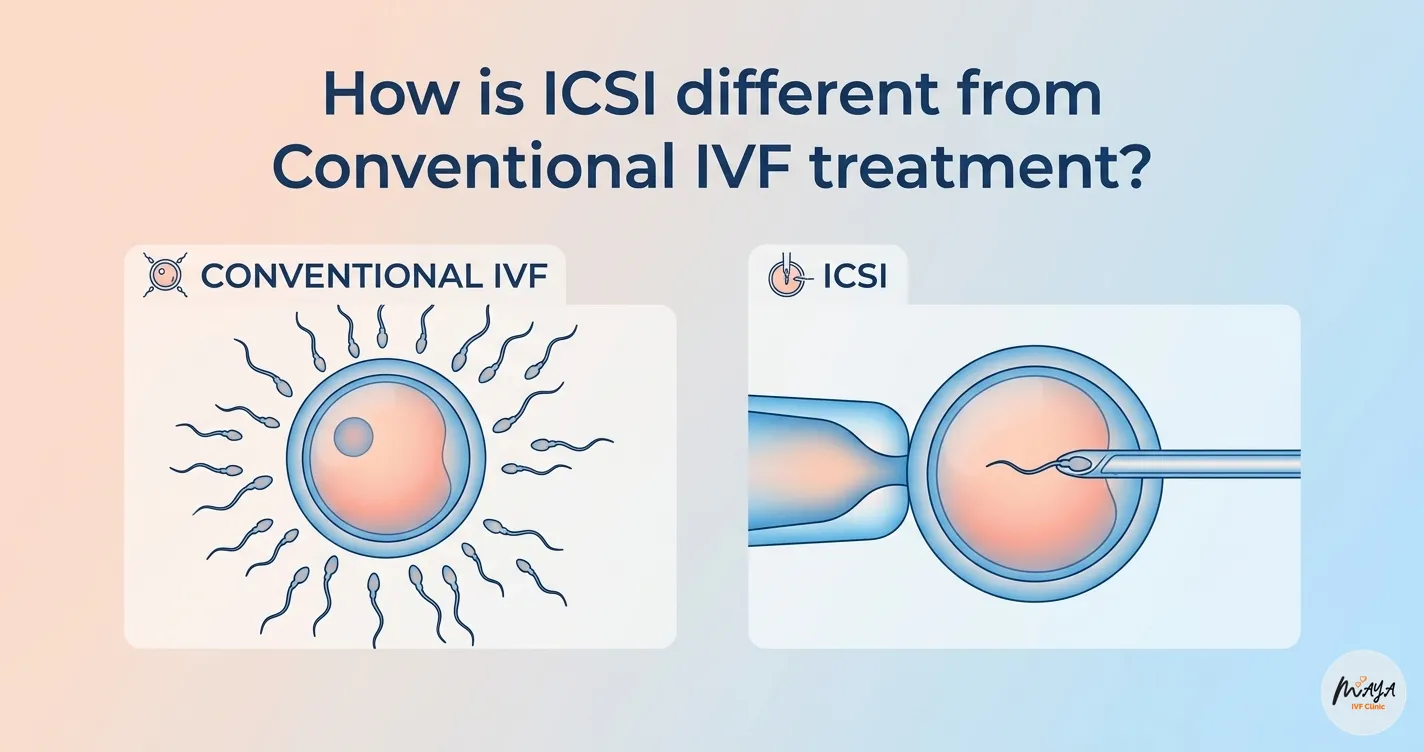
How is ICSI different from Conventional IVF treatm...
ICSI and Conventional IVF both are forms of assisted reproductive treatment (ART) in which eggs are...
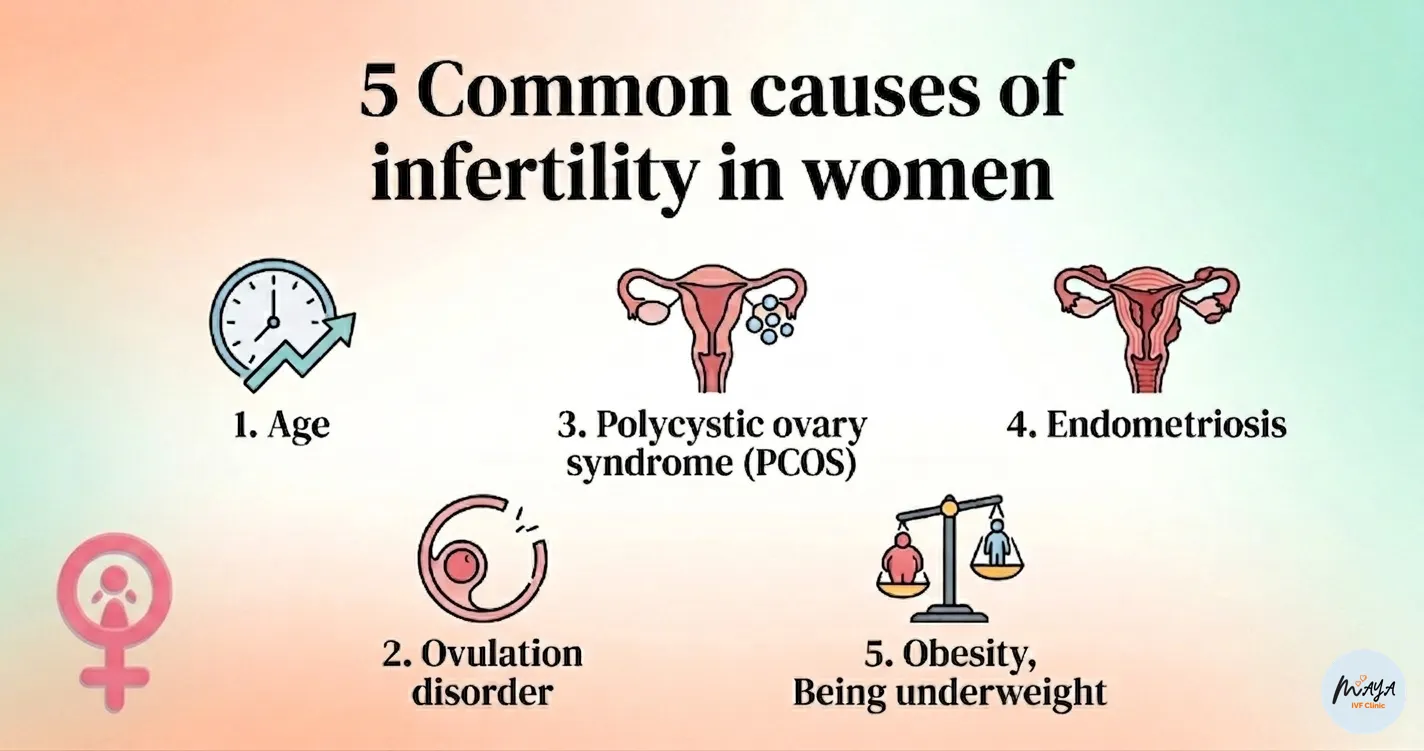
5 Common causes of infertility in women
A condition is diagnosed as infertility when a heterosexual couple is unable to conceive after one y...
 Nepal International Fertility and Laparoscopic Centre (NIFLC).
All rights reserved.
Nepal International Fertility and Laparoscopic Centre (NIFLC).
All rights reserved.