

Sperm DNA Fragmentation in Nepal
Quick Answer
Sperm DNA fragmentation refers to breaks or damage in the genetic material carried inside sperm cells, measured as a DNA Fragmentation Index, or DFI. Not every man with infertility needs this test. Current guidance supports considering it mainly for men from couples with recurrent pregnancy loss or unexplained repeated IVF or ICSI failure. DFI testing is available in Nepal, including within the Kathmandu Valley, and results should always be interpreted by a fertility specialist alongside the rest of the fertility evaluation.
What Is Sperm DNA Fragmentation?
Sperm DNA fragmentation describes damage to the DNA strands inside a sperm cell's nucleus. Sperm carry half of the genetic material needed to form an embryo, and intact DNA supports normal fertilization and early embryo development.
Some degree of DNA fragmentation exists in sperm from virtually all men, including those with no fertility difficulty. It becomes clinically relevant mainly when the proportion of affected sperm is high relative to levels seen in fertile populations in research.
This differs from what a standard semen analysis measures, such as sperm count, motility, and shape. A man can have a normal semen analysis and still show elevated DNA fragmentation, which is one reason specialists sometimes look at this separately after other causes have been considered.
Does Sperm DNA Fragmentation Cause Infertility?
Sperm DNA fragmentation is associated with reduced fertility potential in some studies, but a high result does not mean pregnancy is impossible, and it does not directly cause infertility in every man who has it.
Higher fragmentation has been linked with lower natural conception rates in some research and with variable effects on assisted reproduction outcomes. Many men with elevated DFI still father children, naturally or through fertility treatment. DFI should be considered alongside semen analysis, hormonal evaluation, the female partner's fertility assessment, and overall clinical history, not viewed in isolation.
What Causes Sperm DNA Fragmentation?
Reported contributing factors are listed below. Evidence strength differs across factors, and not every one has been confirmed in every population studied.
Age. Several studies, including the Nepal-specific research discussed below, report a statistically significant association between increasing age and higher DNA fragmentation.
Varicocele. Enlarged scrotal veins have been associated with elevated DFI in some studies, an area particularly relevant to urological and andrological evaluation.
Oxidative stress. An imbalance between reactive oxygen species and the body's antioxidant defenses is one of the most studied mechanisms behind sperm DNA damage.
Genital tract infection or inflammation. Some infections are linked with increased oxidative stress, though the Lalitpur-based study referenced below did not find a statistically significant association with bacteriospermia specifically in its sample.
Heat exposure. Prolonged high scrotal temperature exposure, including from certain occupations, has been proposed as a contributing factor in some research.
Smoking, alcohol, and obesity. These are commonly discussed risk factors in the broader literature, although the Nepal study referenced below did not find statistically significant associations with smoking, alcohol, or BMI in the population it studied.
Chronic illness and certain cancer treatments. Chemotherapy, radiotherapy, and some medical conditions can increase DNA fragmentation.
Environmental and occupational exposure. Pesticides and certain industrial chemicals have been studied as possible contributors, with evidence still developing.
Abstinence duration. Some research suggests unusually long or short abstinence periods before sample collection may influence results, which is one reason laboratory instructions matter.
Evidence for lifestyle-related causes is mixed and varies between study populations. Not every factor above has been shown to matter equally, or at all, in every group studied.
Who Should Consider a DNA Fragmentation Test?
DFI testing is not recommended as a routine first-line test for every man being evaluated for infertility. Guidance from the American Urological Association and the American Society for Reproductive Medicine specifically supports considering this test in men from couples experiencing recurrent pregnancy loss, while routine testing for all infertile men is not advised. Clinical practice and guideline recommendations can differ, and the decision should be made individually with a qualified fertility specialist.
Situations where a specialist may discuss DFI testing include:
Recurrent pregnancy loss without an identified cause
Repeated IVF or ICSI cycles without successful pregnancy despite reasonable embryo quality
Selected cases of unexplained infertility after standard evaluation of both partners
Selected male infertility cases, particularly alongside findings such as varicocele
Advanced paternal age, in combination with other clinical findings
How Is the Test Performed?
The test uses a semen sample, generally collected in a similar way to a standard semen analysis. [VERIFY WITH MAYA IVF for specific abstinence period, preparation instructions, and collection process used at this clinic]. The sample is then analyzed in a laboratory using one of several available assays, described below.
What Is the DNA Fragmentation Index?
The DNA Fragmentation Index, or DFI, is the percentage of sperm in a sample showing detectable DNA damage, typically reported as a single figure such as twelve percent or thirty-five percent.
DFI is a laboratory measurement, not a single standardized universal test. The percentage a laboratory reports depends on which assay was used, how that laboratory runs it, and what reference population established its cutoffs. A DFI of twenty percent from one assay is not automatically equivalent to twenty percent from a different assay.
How Are DFI Results Interpreted?
Results are commonly grouped into three broad categories, though exact cutoffs vary by method and laboratory:
Why Thresholds Are Not Universal
These ranges correspond to the classification used in the Nepal study referenced below and to commonly cited general categories in the literature. They should not be assumed to apply identically to every assay, laboratory, or patient population. A result should always be interpreted by a qualified fertility specialist in the context of the specific test used, not compared directly against numbers from a different laboratory or method.
Sperm DNA Fragmentation Testing Methods
SCSA
The Sperm Chromatin Structure Assay uses flow cytometry and a dye that binds differently to intact versus damaged DNA. It is one of the more standardized and widely studied methods, with its own established reference ranges.
TUNEL
The TUNEL assay directly labels DNA strand breaks using an enzymatic reaction. It is considered a direct measure of fragmentation, though results can vary between laboratories depending on the protocol.
Sperm Chromatin Dispersion (SCD)
This test assesses the halo of dispersed DNA loops around sperm heads after controlled denaturation. Sperm with fragmented DNA typically show little or no halo. This is the method used in the Nepal-based study discussed below.
Comet Assay
The Comet assay measures DNA migration under electrophoresis, allowing assessment at the level of individual sperm cells. It is sensitive but less standardized for routine clinical use compared to SCSA.
Because these methods rely on different biological principles, a result from one assay should not be assumed to carry the same clinical meaning as a numerically similar result from another. Patients are encouraged to ask their laboratory which assay is being used.
Can Sperm DNA Fragmentation Affect IVF or ICSI?
Research on this question is mixed. Some studies associate elevated DFI with lower fertilization rates, poorer embryo or blastocyst development, or lower pregnancy rates in IVF, and to a lesser extent, in ICSI, since ICSI bypasses some natural sperm selection barriers. Other studies find no significant effect on live birth.
A high DFI does not mean IVF or ICSI will fail, and a normal DFI does not guarantee success. Outcomes depend on many factors beyond sperm DNA, including egg quality, uterine factors, embryo genetics, and laboratory conditions. Because evidence is not fully consistent, DFI is generally treated as one piece of information within a broader fertility evaluation rather than a stand-alone predictor of treatment outcome.
Is Sperm DNA Fragmentation Associated With Miscarriage?
Some studies report an association between elevated sperm DNA fragmentation and recurrent pregnancy loss, although evidence is not completely consistent. This is part of why professional guidance supports considering DFI testing specifically in the context of recurrent pregnancy loss evaluation, rather than after a single miscarriage.
Recurrent pregnancy loss has multiple possible causes, including chromosomal factors in either partner, uterine abnormalities, hormonal conditions, and immune factors, in addition to any male factor contribution. Sperm DNA fragmentation should be considered one component of a broader evaluation, not the sole explanation.
Can Sperm DNA Fragmentation Be Reduced?
At Maya IVF Clinic, management of elevated sperm DNA fragmentation focuses on identifying and addressing potentially treatable factors rather than treating the DFI result in isolation.
Treating a clinically significant varicocele may help reduce sperm DNA fragmentation in appropriately selected men. Varicocele can affect sperm production and quality, and treatment may improve sperm parameters and reduce DNA fragmentation in some patients. At Maya IVF, assessment by a fertility specialist or andrologist can help determine whether varicocele treatment is appropriate based on the physical examination, semen analysis, fertility history, and other clinical findings.
Identifying and treating infections or inflammation may be important when these conditions are present. Genitourinary infection or inflammation can contribute to abnormal sperm quality and DNA damage in some men. Treatment should be directed toward a confirmed or clinically suspected underlying condition, rather than using antibiotics or other medication without medical indication.
Improving lifestyle and reducing harmful exposures can support overall sperm health. This may include stopping smoking, limiting excessive alcohol consumption, maintaining a healthy weight, exercising regularly, avoiding unnecessary exposure to excessive heat, and reducing relevant environmental or occupational toxins. These measures may be beneficial for sperm health, although they do not guarantee a reduction in DFI, and evidence for their direct effect on DNA fragmentation varies between individuals.
Antioxidant supplementation may be considered in selected cases, particularly when oxidative stress is suspected to contribute to poor sperm quality. However, studies have produced mixed results, and there is no universally established antioxidant, dose, or treatment duration proven to reduce DFI in every patient. Antioxidants should therefore not be considered a guaranteed treatment and should only be used after discussion with a fertility specialist or andrologist.
Testicular sperm or other sperm-selection approaches may be considered in selected patients undergoing ICSI. When sperm DNA fragmentation remains elevated despite addressing potentially reversible factors, a specialist may consider alternative sperm-selection strategies or testicular sperm retrieval in appropriate cases. These approaches are not suitable for everyone and should be based on the couple's reproductive history, semen parameters, previous IVF or ICSI outcomes, and the clinical assessment of both partners.
What Does Research From Nepal Show?
A 2025 peer-reviewed study examined sperm DNA integrity among subfertile men attending a fertility center in Lalitpur, Nepal.
The study was conducted at Creator’s IVF Pvt. Ltd. in Lalitpur between June 2021 and July 2022.
A total of 217 subfertile men were recruited, with sperm DNA fragmentation analyzed in 186 semen samples.
The researchers used the Sperm Chromatin Dispersion (SCD), also known as the Halosperm, method to assess sperm DNA fragmentation.
Among the analyzed samples, 41.4% showed low DNA fragmentation with a DFI below 15%.
Moderate DNA fragmentation, defined as 15% to below 30%, was found in 38.7% of the samples.
High DNA fragmentation, defined as 30% or higher, was found in 19.9% of the samples.
The study found a statistically significant association between increasing age and higher sperm DNA fragmentation.
No statistically significant association was found between DFI and BMI, smoking, alcohol consumption, physical activity, or bacteriospermia in the study population.
The finding that 19.9% of samples had DFI of 30% or higher should not be interpreted as the prevalence of high sperm DNA fragmentation among men throughout Nepal.
The study involved subfertile men attending a single fertility center, so its findings may not represent the general male population of Nepal.
The research provides valuable Nepal-specific evidence on sperm DNA integrity and contributes local data to an area that has traditionally relied heavily on international research.
Larger multicenter studies involving broader populations would be needed to understand how these findings apply across Nepal.
A 2025 peer-reviewed study examined sperm DNA integrity among subfertile men attending a fertility center in Lalitpur, Nepal.
The study was conducted at Creator’s IVF Pvt. Ltd. in Lalitpur between June 2021 and July 2022.
A total of 217 subfertile men were recruited, with sperm DNA fragmentation analyzed in 186 semen samples.
The researchers used the Sperm Chromatin Dispersion (SCD), also known as the Halosperm, method to assess sperm DNA fragmentation.
Among the analyzed samples, 41.4% showed low DNA fragmentation with a DFI below 15%.
Moderate DNA fragmentation, defined as 15% to below 30%, was found in 38.7% of the samples.
High DNA fragmentation, defined as 30% or higher, was found in 19.9% of the samples.
The study found a statistically significant association between increasing age and higher sperm DNA fragmentation.
No statistically significant association was found between DFI and BMI, smoking, alcohol consumption, physical activity, or bacteriospermia in the study population.
The finding that 19.9% of samples had DFI of 30% or higher should not be interpreted as the prevalence of high sperm DNA fragmentation among men throughout Nepal.
The study involved subfertile men attending a single fertility center, so its findings may not represent the general male population of Nepal.
The research provides valuable Nepal-specific evidence on sperm DNA integrity and contributes local data to an area that has traditionally relied heavily on international research.
Larger multicenter studies involving broader populations would be needed to understand how these findings apply across Nepal.
Sperm DNA Fragmentation Test at Maya IVF Clinic
At Maya IVF Clinic, sperm DNA fragmentation testing can be considered as part of a comprehensive male fertility assessment when clinically indicated. The decision to recommend the test should be guided by the patient's fertility history, semen analysis, previous treatment outcomes, and overall clinical evaluation rather than being offered as a routine test for every patient. Where testing is advised, the fertility team can guide patients regarding the appropriate testing method, sample collection requirements, preparation, expected reporting time, and interpretation of the results. Maya IVF's multidisciplinary approach brings together fertility specialists, urology and andrology expertise, and clinical embryology support to ensure that sperm DNA fragmentation results are considered alongside other aspects of male and couple fertility. Patients are encouraged to contact Maya IVF directly for current availability of SDF/DFI testing, test methodology, sample collection process, preparation instructions, turnaround time, consultation requirements, and follow-up arrangements.
Sperm DNA Fragmentation Test in Kathmandu
For patients in Kathmandu and Lalitpur, sperm DNA fragmentation testing at Maya IVF Clinic begins with a consultation and fertility assessment to determine whether the test is appropriate for the individual's clinical situation. The fertility team may review the patient's medical and reproductive history, semen analysis, and other relevant factors before recommending DNA fragmentation testing. Where testing is advised, a semen sample is collected and analyzed using the appropriate laboratory method, with the results interpreted alongside the overall male fertility assessment. Maya IVF provides comprehensive fertility assessment and male fertility services, including evaluation of male-factor infertility. Patients can contact the clinic to confirm the current testing process, sample-collection requirements, appointment availability, and applicable charges before visiting. Maya IVF Clinic is located at BBC Building, UN Park, Kupandole, and is open Sunday to Friday, 9:00 AM to 6:00 PM.
Sperm DNA Fragmentation Test Cost in Nepal
The cost of a sperm DNA fragmentation test in Nepal can vary depending on the laboratory, testing method, and whether the test is performed as part of a broader male fertility evaluation. At Maya IVF, the recommended test and associated costs may depend on the individual patient's clinical needs and the type of assessment advised by the fertility or andrology specialist. Since laboratory charges and testing fees may change, patients are encouraged to contact Maya IVF directly for the current sperm DNA fragmentation test cost, available testing options, and any additional consultation or laboratory charges. A specialist can also advise whether SDF testing is appropriate based on the patient's fertility history and clinical evaluation.
What Should You Ask Before Taking the Test?
Which testing method will be used, and what are its specific reference ranges
Why is the test being recommended in your particular situation
How will the result change the treatment plan, if at all
Whether repeat testing is needed if lifestyle or medical interventions are tried first
What is the laboratory's turnaround time
What the test costs and whether it is included in a broader evaluation package
Which testing method will be used, and what are its specific reference ranges
Why is the test being recommended in your particular situation
How will the result change the treatment plan, if at all
Whether repeat testing is needed if lifestyle or medical interventions are tried first
What is the laboratory's turnaround time
What the test costs and whether it is included in a broader evaluation package
Clinical Perspective: Dr. Robin Bahadur Basnet
From an andrology perspective, sperm DNA fragmentation testing can provide valuable information about sperm quality in selected patients, particularly when the findings may influence further evaluation or treatment. It is not generally considered a routine test for every patient undergoing an initial fertility assessment, but may be considered in situations such as recurrent pregnancy loss or repeated unexplained failure of assisted reproductive treatment, including IVF or ICSI. A high DNA fragmentation index (DFI) does not, by itself, establish the cause of infertility or determine treatment outcomes. Instead, elevated fragmentation should prompt consideration of potentially contributing factors such as varicocele, infection or inflammation, oxidative stress, smoking, lifestyle and environmental exposures, and other relevant medical conditions. DFI results should always be interpreted in the context of the semen analysis, medical history, physical examination, and reproductive history of both partners, as different testing methods may use different reference ranges. At Maya IVF, sperm DNA fragmentation is considered one component of a comprehensive male fertility assessment, helping specialists identify potentially treatable factors and develop an individualized fertility treatment plan. This clinical approach aligns with the expertise of Dr. Robin Bahadur Basnet, urologist and andrologist at Maya IVF, whose clinical practice includes male infertility evaluation, varicocele management, surgical sperm retrieval, and comprehensive male fertility assessment.
From the IVF Laboratory: Sperm DNA Integrity and Embryo Development
At Maya IVF, the IVF laboratory plays an important role in sperm preparation, fertilization, and early embryo development. During ICSI, the embryology team prepares and assesses the sperm sample before selecting sperm for injection into mature eggs and monitoring fertilization and embryo development. Sperm DNA integrity may be one of several factors relevant to fertility outcomes, but sperm DNA fragmentation alone cannot predict the success or failure of an individual IVF or ICSI cycle. Factors such as egg quality, maternal age, overall sperm quality, embryo development, and other male and female fertility factors also play an important role. Routine sperm selection during ICSI does not directly measure the DNA integrity of an individual sperm, which is why sperm DNA fragmentation testing may provide additional information when clinically indicated. At Maya IVF, laboratory findings are considered alongside each couple's overall fertility history and clinical evaluation to support an individualized treatment approach.
Frequently Asked Questions
1. What is sperm DNA fragmentation (DFI), and what is a normal DFI level?
Sperm DNA fragmentation is damage or breaks in the genetic material inside sperm cells. DFI, or DNA Fragmentation Index, measures the percentage of sperm with detectable DNA damage. A DFI below 15% is often considered favorable, although the interpretation can vary depending on the laboratory and testing method.
2. Who should consider a sperm DNA fragmentation test?
A DFI test may be considered for men with unexplained infertility, recurrent miscarriage, repeated unsuccessful IVF or ICSI cycles, or normal semen analysis with unexplained fertility problems. It is not routinely required for every man undergoing fertility treatment.
3. Can high sperm DNA fragmentation affect natural pregnancy, IVF, ICSI, or miscarriage?
Yes, high DFI may affect fertility and pregnancy outcomes in some couples. It has been associated with reduced natural fertility, IVF or ICSI treatment challenges, and recurrent miscarriage. However, a high DFI result does not mean that pregnancy or successful IVF is impossible.
4. What causes high sperm DNA fragmentation, and can it be reduced?
High DFI may be associated with varicocele, infections, smoking, oxidative stress, excessive heat exposure, environmental toxins, illness, and increasing age. In some men, DFI may improve by treating underlying causes and making lifestyle changes, although improvement is not guaranteed.
5. How is the DFI test performed, and is it available at Maya IVF?
A sperm DNA fragmentation test is performed using a semen sample, which is analyzed in a laboratory to measure DNA damage in sperm. Please contact Maya IVF to confirm current test availability, cost, whether testing is performed in-house or through a partner laboratory, and the expected turnaround time for results.
Our Latest Blogs

Infertility Myths and Facts in Nepal: What Couples...
Quick AnswerInfertility affects an estimated 1 in 6 people globally during their reproductive years,...
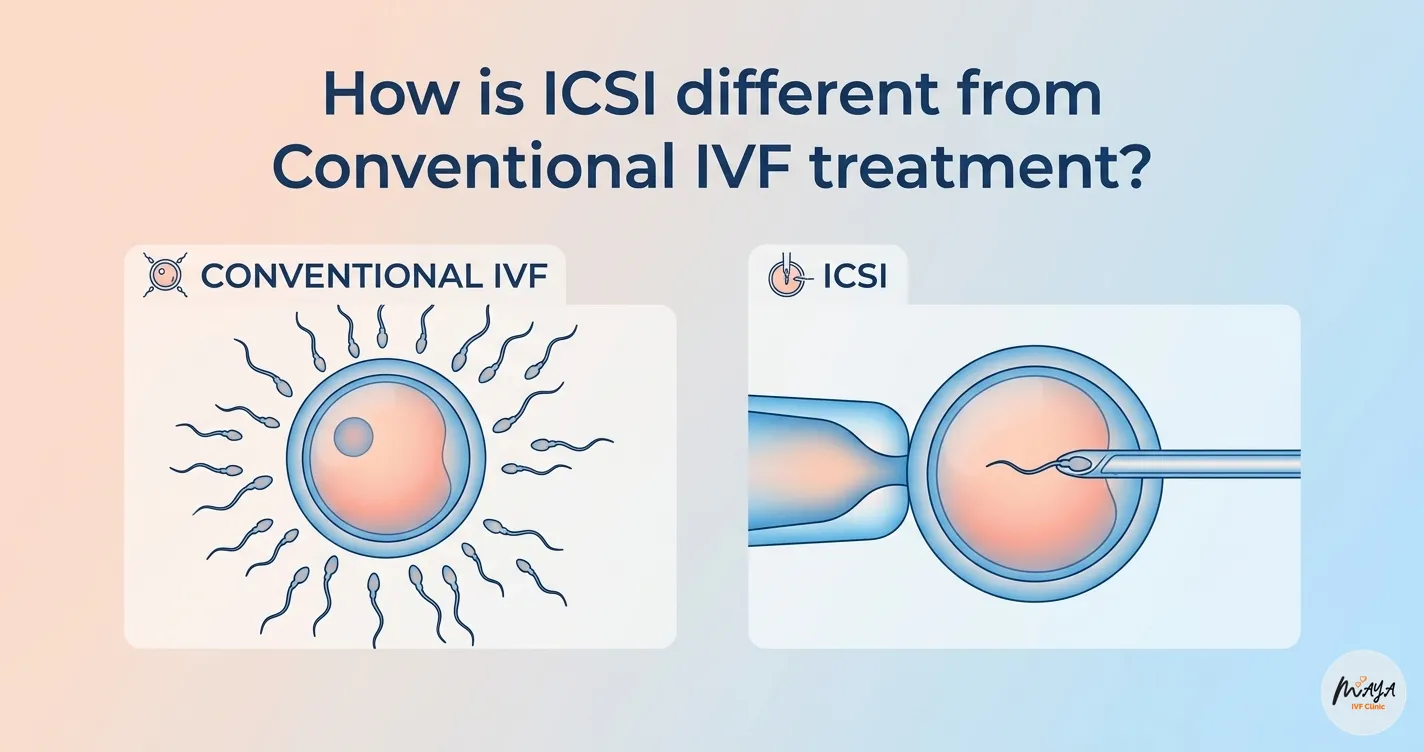
How is ICSI different from Conventional IVF treatm...
ICSI and Conventional IVF both are forms of assisted reproductive treatment (ART) in which eggs are...
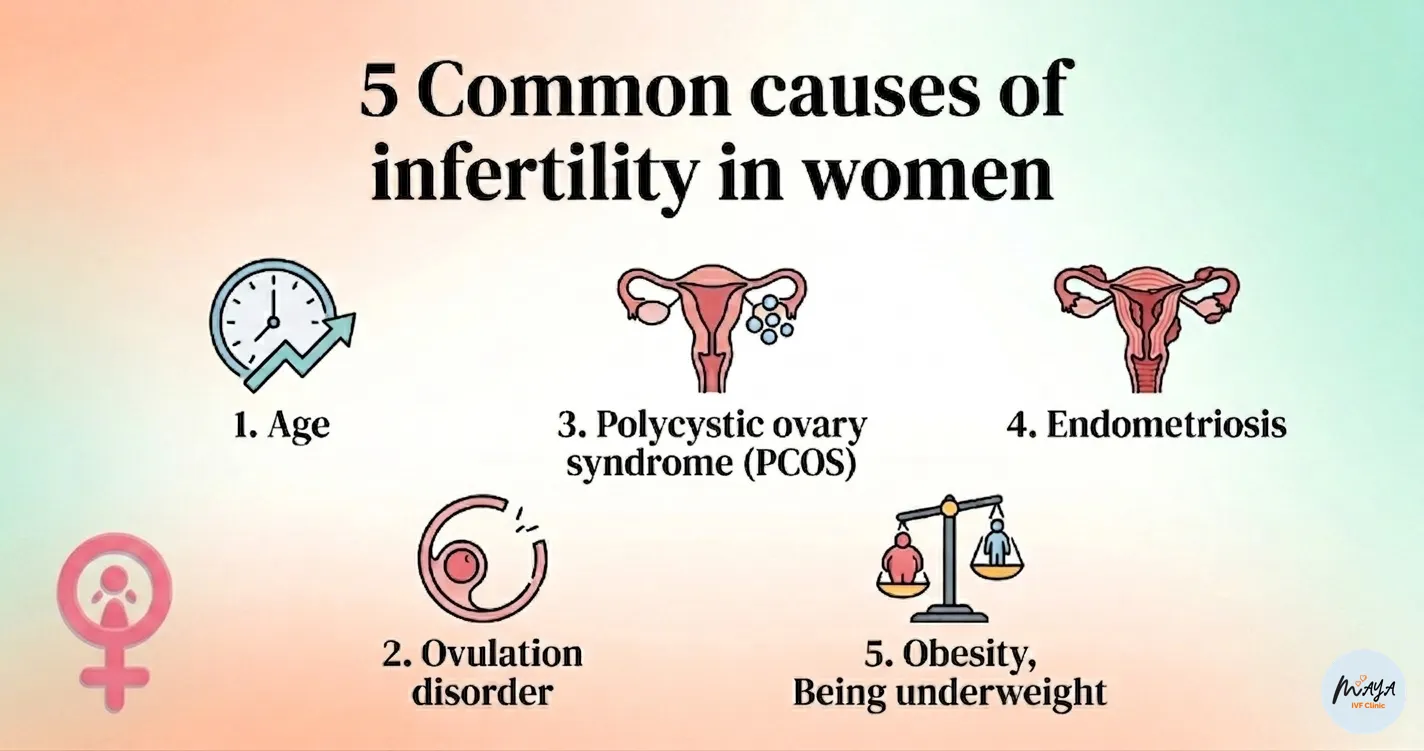
5 Common causes of infertility in women
A condition is diagnosed as infertility when a heterosexual couple is unable to conceive after one y...

 Nepal International Fertility and Laparoscopic Centre (NIFLC).
All rights reserved.
Nepal International Fertility and Laparoscopic Centre (NIFLC).
All rights reserved.