
IVF Success Rate in Nepal: Chances by Age & Factors That Affect Success
Overview
IVF success rate in Nepal depends on several medical factors, including the woman's age, egg quality, sperm health, embryo development, reproductive history, and the underlying cause of infertility. There is no single success-rate percentage that accurately represents every patient or every fertility clinic. IVF (In Vitro Fertilization) is an assisted reproductive technology in which eggs are retrieved from the ovaries and fertilized with sperm in a laboratory. An embryo may then be transferred into the uterus to establish a pregnancy.
When discussing IVF success, it is important to understand what a clinic means by success. A positive pregnancy test, a pregnancy confirmed by ultrasound, and a live birth are different outcomes. Similarly, success per embryo transfer is not the same as success per egg retrieval or cumulative success across multiple embryo transfers. For individuals and couples considering IVF treatment in Nepal, understanding these differences can help them evaluate treatment options and discuss realistic expectations with a fertility specialist.
Quick answer: IVF success depends on several individual medical factors. Female age is an important predictor, but ovarian reserve, sperm health, embryo development, uterine factors, and previous treatment outcomes also contribute. A fertility specialist can assess these factors to discuss realistic expectations for an individual patient.
How Is IVF Success Rate Measured?
IVF success rates can be reported in several ways. Understanding the measurement method is essential when comparing fertility clinics or evaluating treatment outcomes.
1. Positive Pregnancy Test Rate
A positive pregnancy test indicates that human chorionic gonadotropin (hCG), a hormone associated with pregnancy, has been detected in the blood or urine after embryo transfer. However, a positive pregnancy test does not necessarily mean that the pregnancy will continue.
2. Clinical Pregnancy Rate
Clinical pregnancy generally refers to a pregnancy confirmed through ultrasound findings, such as the identification of a gestational sac. This is a more advanced pregnancy milestone than a positive hCG test, but it does not guarantee a live birth.
3. Live Birth Rate
The live birth rate measures the proportion of treatments or patients resulting in at least one live-born baby, according to the reporting method used. It is an important outcome for patients because achieving a positive pregnancy test and having a baby are not equivalent outcomes.
4. IVF Success Rate Per Egg Retrieval
This measurement calculates treatment outcomes in relation to an egg retrieval procedure. An egg retrieval may result in several embryos, which may be transferred at different times. Therefore, this measurement can provide a different perspective from success calculated per embryo transfer.
5. IVF Success Rate Per Embryo Transfer
This measures the proportion of embryo transfers resulting in a specified pregnancy or birth outcome. For example, a clinic may report clinical pregnancies per embryo transfer. This should not be confused with live births per embryo transfer.
6. Cumulative IVF Success Rate
Cumulative success considers outcomes from multiple embryo transfers associated with an egg retrieval, within a defined follow-up period. For example, a patient may undergo one egg retrieval, develop several embryos, and have more than one embryo transfer over time. The cumulative outcome helps explain why evaluating only the first embryo transfer may not provide the complete picture.
Important: When comparing IVF success rates, always ask whether the reported outcome is based on pregnancy, clinical pregnancy, or live birth, and whether it is calculated per cycle started, egg retrieval, or embryo transfer. According to the US Centers for Disease Control and Prevention (CDC), assisted reproductive technology outcomes are reported using different treatment stages and denominators. Clinic comparisons should be interpreted carefully because patient populations and treatment approaches differ.
IVF Success Rate by Age
Age is one of the most important factors influencing IVF outcomes, particularly for women using their own eggs. As women age, the quantity and reproductive potential of their eggs generally decline. The likelihood of chromosomal abnormalities in eggs and embryos also increases with age. However, age alone cannot determine an individual's chance of achieving pregnancy or live birth.
IVF Success Rate Under 35
Women younger than 35 generally have more favorable IVF outcomes when using their own eggs compared with older age groups. This is partly associated with better average egg quality and a lower proportion of chromosomal abnormalities. Nevertheless, younger patients can also experience unsuccessful IVF cycles due to factors such as
Poor ovarian response.
Male-factor infertility.
Embryo development problems.
Uterine abnormalities.
Severe endometriosis.
Other underlying reproductive conditions.
A fertility assessment is important even when a patient is relatively young.
IVF Success Rate Between 35 and 37
Between 35 and 37, age-related changes in reproductive potential may become increasingly relevant.
Some women continue to produce a good number of eggs during ovarian stimulation, while others may experience a reduced ovarian response.
Doctors may assess:
Anti-Müllerian hormone (AMH).
Antral follicle count (AFC).
Previous fertility treatment outcomes.
Semen analysis.
Other relevant reproductive factors.
These assessments help determine an appropriate treatment approach.
IVF Success Rate Between 38 and 40
Between 38 and 40, age-related changes in egg quality and embryo development become increasingly important. The number of eggs retrieved may vary considerably between patients. Some patients may produce embryos suitable for transfer, while others may experience difficulties during fertilization or embryo development. An individualized treatment plan is particularly important in this age group.
IVF Success Rate Between 41 and 42
Women aged 41–42 generally face greater challenges when pursuing IVF using their own eggs. Age-related changes can affect both the number of available eggs and the likelihood of obtaining chromosomally normal embryos. A fertility specialist may consider ovarian reserve, previous treatment outcomes, and other reproductive factors before discussing available treatment options.
IVF Success Rate Above 42
IVF using a woman's own eggs becomes increasingly challenging with advancing reproductive age. However, treatment decisions should not be based on age alone. Doctors may discuss individual ovarian reserve, previous IVF outcomes, medical history, and available reproductive options. Where appropriate and legally available, donor-egg treatment may also be discussed.
Important: The age categories above describe general clinical considerations, not guaranteed success percentages. Actual outcomes depend on the patient population, egg source, treatment method, and outcome measurement. Do not interpret international statistics as Nepal-specific clinic results.
What Factors Affect IVF Success Rates?
IVF outcomes depend on several interacting reproductive and medical factors. Understanding these factors helps patients make informed decisions about fertility treatment.
1. Female Age and Ovarian Reserve
Female age is an important predictor of reproductive potential. Ovarian reserve refers to the remaining quantity of eggs within the ovaries. It can help doctors understand how the ovaries may respond to fertility medications.
Common assessments include:
Anti-Müllerian hormone (AMH).
Antral follicle count (AFC).
Follicle-stimulating hormone (FSH).
Estradiol measurements, when indicated.
Ovarian reserve tests help guide treatment planning, but they do not independently determine whether a patient will achieve pregnancy.
2. Egg Quality
Egg quality influences fertilization, embryo development, and reproductive outcomes. Age is an important factor associated with egg quality, particularly because chromosomal abnormalities become more common as women grow older. Other medical and biological factors may also influence reproductive outcomes. A higher number of retrieved eggs does not automatically guarantee better-quality embryos or a successful pregnancy.
3. Sperm Quality
Male-factor infertility can contribute to difficulties with natural conception and IVF.
Semen analysis commonly evaluates:
Sperm concentration.
Sperm motility.
Sperm morphology.
Other relevant semen parameters.
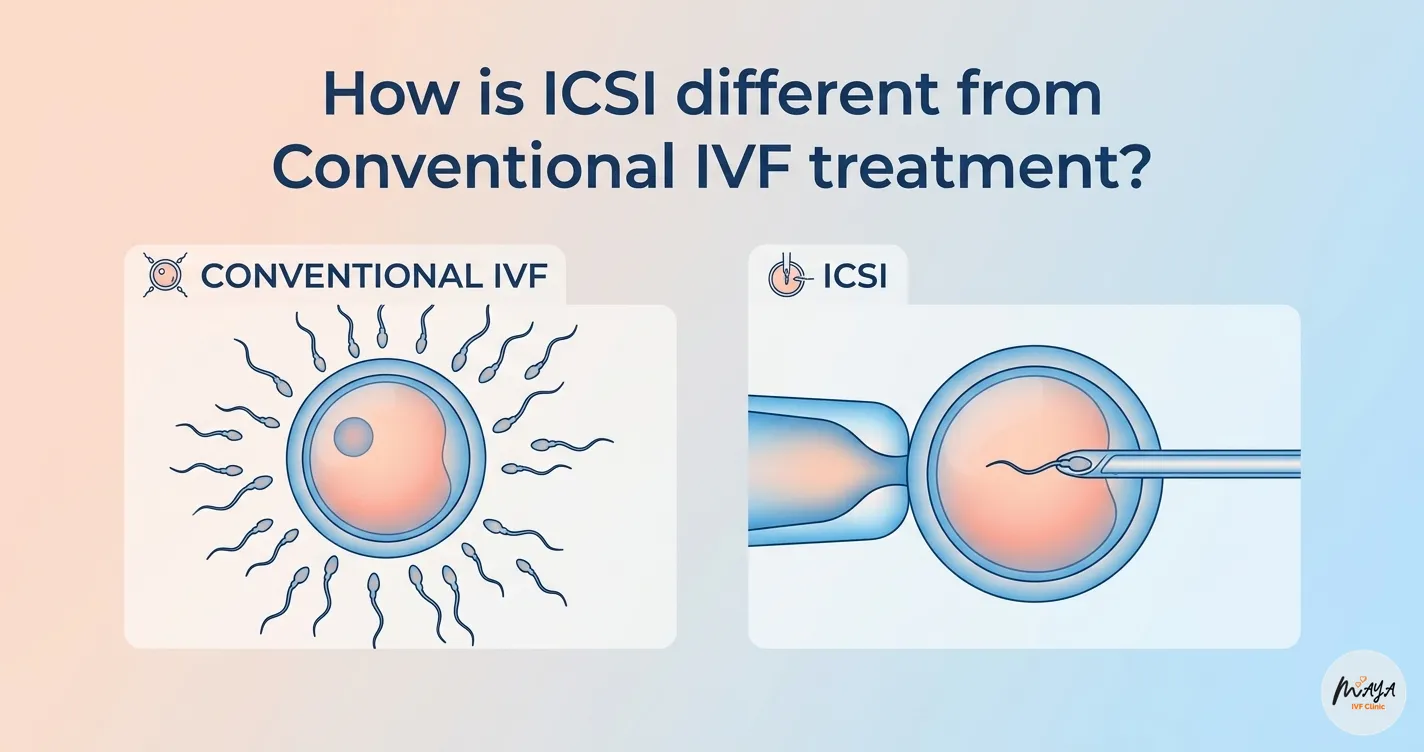
Depending on the findings, doctors may recommend conventional IVF, intracytoplasmic sperm injection (ICSI), or additional investigations. ICSI involves injecting a single sperm directly into an egg. It may be recommended in selected cases, particularly when certain sperm-related problems are present. However, ICSI is not necessary for every IVF patient and does not guarantee pregnancy.
4. Embryo Quality and Development
Embryo development is an important stage of IVF treatment. After fertilization, embryos are monitored in the laboratory to assess their development.
Embryo assessment may consider:
Cell number and appearance.
Developmental stage.
Fragmentation.
Blastocyst formation.
Other laboratory observations.
Embryo grading helps embryologists and fertility specialists evaluate embryos for potential transfer. However, a good morphological grade does not guarantee that an embryo is chromosomally normal or will result in a live birth.
5. Uterine and Endometrial Factors
The uterus plays an important role in implantation and pregnancy development. Doctors may evaluate the uterine cavity and endometrium when clinically indicated.
Potential considerations include the following:
Uterine fibroids affecting the cavity.
Endometrial polyps.
Intrauterine adhesions.
Certain congenital uterine abnormalities.
Endometrial development and thickness.
Not every uterine finding affects IVF outcomes. The clinical significance depends on its location, size, and other individual factors.
6. Cause and Duration of Infertility
The underlying cause of infertility can influence treatment planning and outcomes. Some patients experience infertility because of blocked fallopian tubes, while others may have ovulation disorders, endometriosis, male-factor infertility, or unexplained infertility. The duration of infertility and previous treatment history may also provide useful clinical information. A comprehensive assessment helps doctors identify relevant factors before recommending IVF.
7. Previous Pregnancy and IVF History
Previous pregnancy history is one part of a patient's reproductive history.
Doctors may consider:
Previous natural pregnancies.
Previous miscarriages.
Previous ectopic pregnancies.
Previous IVF cycles.
Fertilization and embryo development results.
Previous implantation and pregnancy outcomes.
A previous successful pregnancy does not guarantee future IVF success. Similarly, a previous unsuccessful IVF cycle does not mean that future treatment cannot work.
8. Medical Conditions and General Health
Certain health conditions may influence fertility treatment and pregnancy outcomes.
Depending on the patient's history, doctors may assess:
Polycystic ovary syndrome (PCOS)
Diabetes.
Other hormonal conditions.
Relevant genetic or reproductive conditions.
Treatment should be tailored to the patient's medical needs rather than relying on generalized recommendations.
Does AMH Affect IVF Success Rate?
Anti-Müllerian hormone (AMH) is a hormone produced by small developing ovarian follicles. AMH testing is commonly used as part of an ovarian reserve assessment.
What Does an AMH Test Tell You?
AMH can help doctors estimate ovarian response during controlled ovarian stimulation. It may provide information about the expected number of eggs that could be obtained during an IVF cycle. However, AMH does not directly measure egg quality.
Does Low AMH Mean IVF Will Fail?
No. Low AMH does not automatically mean that IVF will fail. A patient with low AMH may still produce mature eggs and develop embryos suitable for transfer.
The outcome depends on several factors, including:
Female age.
Actual ovarian response.
Egg maturity.
Fertilization.
Embryo development.
Other reproductive factors.
AMH should therefore be interpreted alongside age, ultrasound findings, and medical history.
AMH vs Egg Quality
The AMH test and egg quality provide different types of information. AMH primarily helps assess ovarian reserve and predict ovarian response to stimulation. Egg quality is more closely associated with reproductive potential and chromosomal integrity, which cannot be determined by AMH alone. Patients should discuss their complete fertility assessment with a qualified specialist rather than interpreting one laboratory result in isolation.
Does Embryo Quality Determine IVF Success?
Embryo quality is an important consideration during IVF treatment. Following fertilization, embryologists monitor embryo development to determine which embryos may be suitable for transfer or freezing.
Day 3 VS Day 5 Embryo
A Day 3 embryo is generally at the cleavage stage of development. A Day 5 embryo is generally at the blastocyst stage, when the embryo has developed further and contains differentiated cell groups. Blastocyst culture can provide additional information about embryo development. However, not every patient produces embryos suitable for extended culture, and the choice of transfer stage depends on the clinical circumstances and laboratory assessment.
What Is Embryo Grading?
Embryo grading is a system used to describe the appearance and developmental characteristics of embryos.
For blastocysts, grading may consider:
Expansion stage.
Inner cell mass.
Trophectoderm.
These features help embryologists assess embryo morphology. However, morphology alone cannot establish the chromosomal status of an embryo.
Does Good Embryo Quality Guarantee Pregnancy?
No. Even an embryo with favorable morphological characteristics may not implant or result in a live birth. Pregnancy outcomes also depend on uterine, embryonic, and other biological factors. Embryo grading is one component of treatment assessment rather than a guarantee of IVF success.
Fresh vs Frozen Embryo Transfer: Which Is Better?
Fresh and frozen embryo transfers are two approaches used during IVF treatment. The choice depends on the patient's response to ovarian stimulation, hormone levels, endometrial development, and other clinical considerations.
What Is Fresh Embryo Transfer?
In a fresh embryo transfer, an embryo is transferred during the same treatment cycle in which the eggs were retrieved and fertilized. This may be considered when the patient's clinical condition is appropriate.
What Is Frozen Embryo Transfer?
Frozen embryo transfer (FET) involves transferring an embryo that was previously cryopreserved. The embryo is thawed and transferred during a later treatment cycle.
FET may be recommended when:
A freeze-all approach is clinically appropriate.
The patient has an increased risk of ovarian hyperstimulation syndrome.
The uterine lining or hormonal environment is not suitable for fresh transfer.
Embryos are being preserved for future treatment.
Other clinical circumstances support delayed transfer.
Is Frozen Embryo Transfer More Successful?
Neither fresh nor frozen embryo transfer is universally better for every patient. Outcomes depend on the patient's diagnosis, age, embryo characteristics, treatment protocol, and other clinical factors. The decision should be made by the treating fertility specialist based on individual assessment.
IVF Success After a Failed Cycle
An unsuccessful IVF cycle can be emotionally and physically difficult. However, one unsuccessful attempt does not necessarily mean that future IVF treatment will fail. The next step is to understand what happened during the previous cycle and whether any relevant treatment factors need to be reassessed.
Why Can an IVF Cycle Fail?
Possible reasons include the following:
An inadequate ovarian response.
Failure to obtain mature eggs.
Fertilization difficulties.
Poor embryo development.
Embryo-related factors.
Implantation failure.
Pregnancy loss.
In some cases, a clear reason cannot be identified.
What Should Be Reviewed After Failed IVF?
Depending on the circumstances, a fertility specialist may review:
Previous ovarian stimulation response.
Number of eggs retrieved.
Egg maturity.
Fertilization results.
Embryo development.
Embryo transfer details.
Relevant uterine findings.
Other medical or reproductive factors.
Not every patient requires additional testing after an unsuccessful cycle. Further investigations should be guided by clinical indications rather than automatically recommending expensive or unproven procedures.
When Can Another IVF Cycle Be Considered?
The timing of another IVF attempt depends on the patient's physical recovery, ovarian response, medical condition, and treatment plan. Some patients may be able to proceed relatively soon, while others may need additional assessment or treatment. A fertility specialist can help determine an appropriate next step.
Can IVF Be Successful After Age 40?
Yes, pregnancy through IVF may still be possible after age 40. However, IVF using a woman's own eggs generally becomes more challenging with increasing age. Age-related changes in egg quality and the likelihood of chromosomal abnormalities can influence embryo development and pregnancy outcomes.
IVF Using Own Eggs
When using their own eggs, women over 40 may need an individualized assessment of ovarian reserve, previous treatment response, and reproductive history. The expected outcome varies considerably between individuals.
IVF Using Donor Eggs
In selected cases, donor-egg treatment may be discussed as an alternative. When donor eggs are used, the age and characteristics of the egg donor become important considerations. The intended parent's age and overall health still matter for pregnancy care and medical risk assessment. Donor-egg treatment is subject to applicable legal, ethical, and clinical requirements.
Why Individual Assessment Matters
Age should be discussed openly during fertility consultations. Patients should receive realistic information about available options, expected outcomes, and possible risks before deciding on treatment.
How Can Patients Prepare for IVF Treatment?
Preparing for IVF involves more than starting fertility medications. A structured pre-treatment assessment helps doctors identify relevant medical factors and plan treatment appropriately.
1. Complete a Fertility Assessment
Depending on the patient's medical history, doctors may recommend:
Ovarian reserve testing.
Pelvic ultrasound.
Hormonal investigations.
Semen analysis.
Uterine evaluation.
Other relevant investigations.
Both partners should be assessed when appropriate because infertility can involve male and female reproductive factors.
2. Maintain General Health
Maintaining overall health is an important part of preconception care. Patients should discuss nutrition, physical activity, and any existing medical conditions with their healthcare providers. There is no single diet that guarantees successful IVF treatment.
3. Review Smoking, Alcohol, and Caffeine
Smoking is associated with adverse reproductive outcomes and should be avoided when planning pregnancy. Patients should discuss alcohol consumption and caffeine intake with their treating specialist. Lifestyle recommendations should be based on current clinical guidance rather than claims that one particular habit can guarantee IVF success.
4. Review Medications and Supplements
Not every medication or supplement is appropriate during fertility treatment. Patients should tell their doctors about prescription medicines, over-the-counter products, and supplements before starting IVF. Folic acid and other preconception recommendations should be discussed according to individual health needs.
5. Prepare Emotionally and Practically
IVF can involve several appointments, investigations, medication schedules, and uncertain outcomes. Emotional support from partners, family members, or qualified counselors may help patients manage the treatment process. Understanding the treatment schedule and possible outcomes can also help couples prepare.
IVF Success Rate at Maya IVF Clinic
Choosing an IVF clinic is an important decision for individuals and couples seeking fertility treatment. When evaluating a clinic, patients should consider more than a single advertised success-rate percentage. Important considerations include the fertility specialist's qualifications, the clinical assessment process, embryology laboratory capabilities, treatment transparency, and the way IVF outcomes are reported.
Understanding IVF Outcomes at Maya IVF Clinic
Patients considering IVF treatment at Maya IVF Clinic should discuss their individual medical history and treatment expectations with the clinical team.
Important questions to discuss include:
What factors may influence my IVF outcome?
How will my ovarian reserve be assessed?
What treatment approach may be appropriate for my condition?
How will embryo development be monitored?
What happens if the first embryo transfer is unsuccessful?
How are the clinic's IVF outcomes measured?
Clinic-specific success percentages should only be published when supported by verified treatment records and a clearly explained calculation method.
Why Individualised Fertility Care Matters
Every fertility patient has a different medical and reproductive history. A treatment plan should consider the patient's age, ovarian reserve, sperm parameters, previous treatment outcomes, and other relevant clinical findings. A consultation with a fertility specialist can help patients understand their available treatment options and the factors that may influence their chances of success. To learn more about IVF treatment and fertility assessment, contact Maya IVF Clinic to arrange a consultation with its clinical team.
Conclusion
IVF success depends on several medical and reproductive factors, and no single percentage can accurately predict the outcome for every patient. Age, ovarian reserve, egg and sperm characteristics, embryo development, uterine health, and previous treatment history all contribute to the overall clinical picture. Understanding how pregnancy and live-birth rates are measured is equally important when comparing fertility clinics or evaluating treatment options. For individuals and couples considering IVF treatment in Nepal, an evidence-based fertility assessment can provide a clearer understanding of available options and realistic expectations.
Frequently Asked Questions About IVF Success Rate in Nepal
1. What is the average IVF success rate in Nepal?
There is no single IVF success-rate percentage that applies to every patient in Nepal. Outcomes depend on factors such as age, egg source, embryo development, diagnosis, and the way success is measured. Patients should ask clinics whether their published figures represent pregnancy rates or live-birth rates.
2. What is the IVF success rate under 35?
Women under 35 generally have more favorable IVF outcomes when using their own eggs compared with older age groups. However, individual outcomes depend on ovarian reserve, sperm health, embryo development, and other reproductive factors.
3. Can IVF be successful after 40?
Yes. IVF may still result in pregnancy after age 40, although outcomes using a woman's own eggs generally decline with increasing age. A fertility specialist can assess individual factors and discuss available treatment options.
4. Does low AMH mean IVF will fail?
No. Low AMH does not automatically mean IVF will fail. AMH helps assess ovarian reserve and may help predict ovarian response to stimulation, but it does not directly measure egg quality or determine an individual's chance of live birth.
5. How many IVF cycles are usually needed?
The number of IVF cycles required varies between patients. Some may achieve a live birth after one cycle, while others may require additional attempts. Age, diagnosis, treatment response, and embryo availability influence the treatment plan.
6. What is the difference between pregnancy rate and live-birth rate?
Pregnancy rate measures pregnancies achieved according to a defined clinical or laboratory outcome. Live-birth rate measures treatments resulting in a live-born baby. These are different outcomes and should not be used interchangeably.
7. Does embryo quality affect IVF success?
Yes. Embryo development and morphology are important considerations during IVF. However, embryo grading cannot guarantee implantation, pregnancy, or live birth.
8. Is frozen embryo transfer more successful than fresh embryo transfer?
Neither approach is universally more successful for every patient. The appropriate method depends on medical history, ovarian response, hormone levels, embryo characteristics, and the treating specialist's assessment.
9. Can IVF succeed after a failed first attempt?
Yes. An unsuccessful first attempt does not mean future IVF treatment cannot succeed. A specialist may review the previous cycle's response, fertilization results, embryo development, and transfer details before discussing further treatment.
10. Does sperm quality affect IVF success?
Yes. Sperm concentration, motility, morphology, and other male reproductive factors can influence fertilization and embryo development. Appropriate male fertility assessment is an important part of many IVF treatment plans.
11. Can lifestyle changes guarantee IVF success?
No. Healthy lifestyle choices support general and reproductive health, but they cannot guarantee IVF success. Patients should discuss smoking, alcohol, nutrition, caffeine and exercise with their healthcare providers.
12. How can I understand my individual chances of IVF success?
An individual fertility assessment is the most appropriate way to understand potential treatment outcomes. A specialist may consider age, ovarian reserve, medical history, semen analysis, and previous treatment results when discussing expectations.
Our Latest Blogs

Infertility Myths and Facts in Nepal: What Couples...
Quick AnswerInfertility affects an estimated 1 in 6 people globally during their reproductive years,...
How Is ICSI Different From Conventional IVF Treatm...
OverviewConventional IVF places sperm and eggs together in a dish and allows fertilization to happen...
5 Common Causes of Infertility in Women
OverviewWhen months pass without a positive pregnancy test, worry tends to creep in quietly. If that...

 Nepal International Fertility and Laparoscopic Centre (NIFLC).
All rights reserved.