
High DNA fragmentation causes failed IVF, miscarriage, and poor embryo quality. A fertility specialist explains causes, testing, and real treatment options.
Blog Details
- Home
- Blog Details
DNA Fragmentation: Causes, Testing & Treatment | Fertility
What Is DNA Fragmentation?
DNA fragmentation is damage to the genetic material inside a sperm cell. The DNA carries all the instructions needed to create an embryo. When those instructions are broken, the sperm cannot do their job properly. A sperm can look completely normal under a microscope. It can swim well. It can have a normal shape. But its DNA can be badly damaged. Routine semen analysis does not detect this damage.
The medical term for the amount of damage is the DNA Fragmentation Index, or DFI. This is a percentage score. A higher score means more damage.
Key facts every patient should understand:
Every man has some level of DNA damage. Low levels are normal.
Problems begin when damage passes a specific threshold.
High fragmentation does not mean zero chance of pregnancy. It means the chances are much lower.
Standard fertility tests miss this problem entirely.
When a sperm with damaged DNA fertilizes an egg, the egg tries to repair the break. If the damage is too severe, one of three things happens. The egg does not get fertilized. The embryo stops developing within a few days. Or a pregnancy starts but ends in miscarriage.
Why DNA Fragmentation Matters for Fertility
Most men with high DNA fragmentation have normal sperm counts. This is why couples often face unexplained infertility. All the basic tests look fine, but pregnancy does not happen. High DNA fragmentation directly affects five areas of fertility.
Fertilization. Sperm with severe DNA damage may not fertilize an egg at all. In standard IVF, damaged sperm can still penetrate an egg. But the resulting embryo usually fails soon after.
Embryo quality. Embryos created from damaged sperm often look good on day two or three. By day five or six, they stop growing. This explains why some couples have many fertilized eggs but very few blastocysts for transfer. Miscarriage risk. Studies show that high DNA fragmentation increases miscarriage risk by two to four times. The embryo implants itself. The pregnancy test is positive. But development stops because the genetic instructions are faulty.
IVF and ICSI failure. Standard IVF does not help with DNA fragmentation. Even ICSI, where a single sperm is injected directly into an egg, does not solve the problem unless the lab uses special sperm selection tools. Pregnancy complications. In rare cases, pregnancies continue but have a higher risk of certain genetic conditions. If you have had multiple failed IVF cycles, recurrent miscarriages, or unexplained infertility, DNA fragmentation testing should be your next step.
Symptoms of High DNA Fragmentation
There are no physical symptoms. You cannot feel DNA damage. It does not cause pain, swelling, or any visible change. A man in excellent health with no fertility concerns can still have high fragmentation. However, some signs appear indirectly through fertility problems.
Difficulty conceiving after 12 months of regular unprotected intercourse
A partner who has had multiple miscarriages, especially two or more
Previous IVF cycles that produced few or poor-quality embryos
A partner who has had implantation failure with good-quality embryos
Poor results on routine semen analysis, including low count, poor motility, or abnormal shape
Many men only discover this problem after their fertility specialist recommends advanced testing. That recommendation often comes after failed treatments with no obvious explanation.
Common Causes of DNA Fragmentation
DNA fragmentation happens through two main pathways. Either the sperm DNA gets broken during production inside the testicle. Or the sperm is exposed to harmful substances after it leaves the testicle. Here are the most common causes seen in clinical practice. Oxidative stress. This is the number one cause. Oxidative stress means harmful cell damage caused by unhealthy lifestyle habits, infections, smoking, or chronic stress. Think of it like rust forming on metal. The same process damages sperm DNA. Smoking. Men who smoke have 50 to 75 percent higher DNA fragmentation than non-smokers. This includes cigarettes, vaping, and cannabis. The damage increases with more smoking.
Alcohol. Regular alcohol consumption directly damages sperm DNA. Heavy drinking causes the most damage. But even moderate drinking, more than five to ten drinks per week, affects fragmentation scores. Varicocele. This is a varicose vein in the scrotum. It raises the temperature around the testicles and increases oxidative stress. Varicocele is found in about 40 percent of men with high DNA fragmentation.
Infections. Prostatitis, epididymitis, and sexually transmitted infections trigger inflammation. Inflammation causes oxidative damage to sperm DNA. Elevated testicular temperature. Frequent hot tub use, saunas, laptops placed on the lap, tight underwear, and sedentary jobs keep the testicles too warm. Sperm production requires a temperature two to four degrees below body temperature.
Poor diet and obesity. High body fat increases systemic inflammation and oxidative stress. Diets low in antioxidants, meaning few vegetables, fruits, and nuts, leave sperm vulnerable to damage. Environmental toxins. Pesticides, heavy metals, plastic chemicals like BPA, air pollution, and occupational chemical exposure all increase DNA damage. Aging. Men over 45 have significantly higher DNA fragmentation than men under 35. Sperm quality declines with age, though much more slowly than egg quality. Stress. Chronic high stress raises cortisol levels. High cortisol increases oxidative stress throughout the body, including the reproductive system. Most men have multiple causes working together. A smoker with a varicocele and a poor diet will have much worse fragmentation than a man with only one risk factor.
How Doctors Test DNA Fragmentation
Testing requires a semen sample, just like a routine semen analysis. But standard semen analysis looks at count, movement, and shape. DNA fragmentation testing is a separate, specialized test. The most common methods are the sperm chromatin structure assay, or SCSA, and the TUNEL assay. These tests measure the percentage of sperm that have damaged DNA. Here is what happens during testing. You provide a semen sample by masturbating into a sterile cup. The sample is sent to a specialized fertility lab. Results typically take three to seven days. The test reports a percentage score called the DNA Fragmentation Index, or DFI. Important clinical facts about testing.
One sample provides the answer. You do not need multiple samples unless your doctor suspects temporary factors like infection or fever. A normal routine semen analysis does not rule out high DNA fragmentation. Many men with an excellent count and motility have severe DNA damage.
Many fertility clinics do not offer this test in-house. Your doctor may need to send the sample to an external lab. Doctors typically recommend testing in these situations. Unexplained infertility lasting more than 12 months. A partner who has had recurrent miscarriages, meaning two or more. Multiple failed IVF or ICSI cycles. Poor embryo development despite good egg quality. A history of varicocele, infection, or significant lifestyle risks.
What Is a Normal DNA Fragmentation Score
Results are reported as a percentage of sperm with damaged DNA. Different labs use slightly different ranges, but these are the standard clinical thresholds. Low fragmentation, below 15 percent. Fertility potential is very good. No treatment is needed specifically for DNA damage. Moderate fragmentation, 15 to 25 percent. Fertility potential is reduced but not severely. Lifestyle changes and antioxidants often help. Natural conception is still possible.
High fragmentation, 25 to 40 percent. Fertility potential is significantly reduced. Natural conception takes much longer. IVF and ICSI success rates are lower. Miscarriage risk is elevated. Treatment is strongly recommended. Severe fragmentation, above 40 percent. Very low chance of natural conception. Standard IVF and ICSI often fail. Special sperm selection techniques are required. Pregnancy success depends heavily on treatment. These numbers are guidelines, not absolute rules. A man with 30 percent fragmentation can still father a child. But his chances are lower, and the miscarriage risk is higher.
How DNA Fragmentation Affects IVF and ICSI
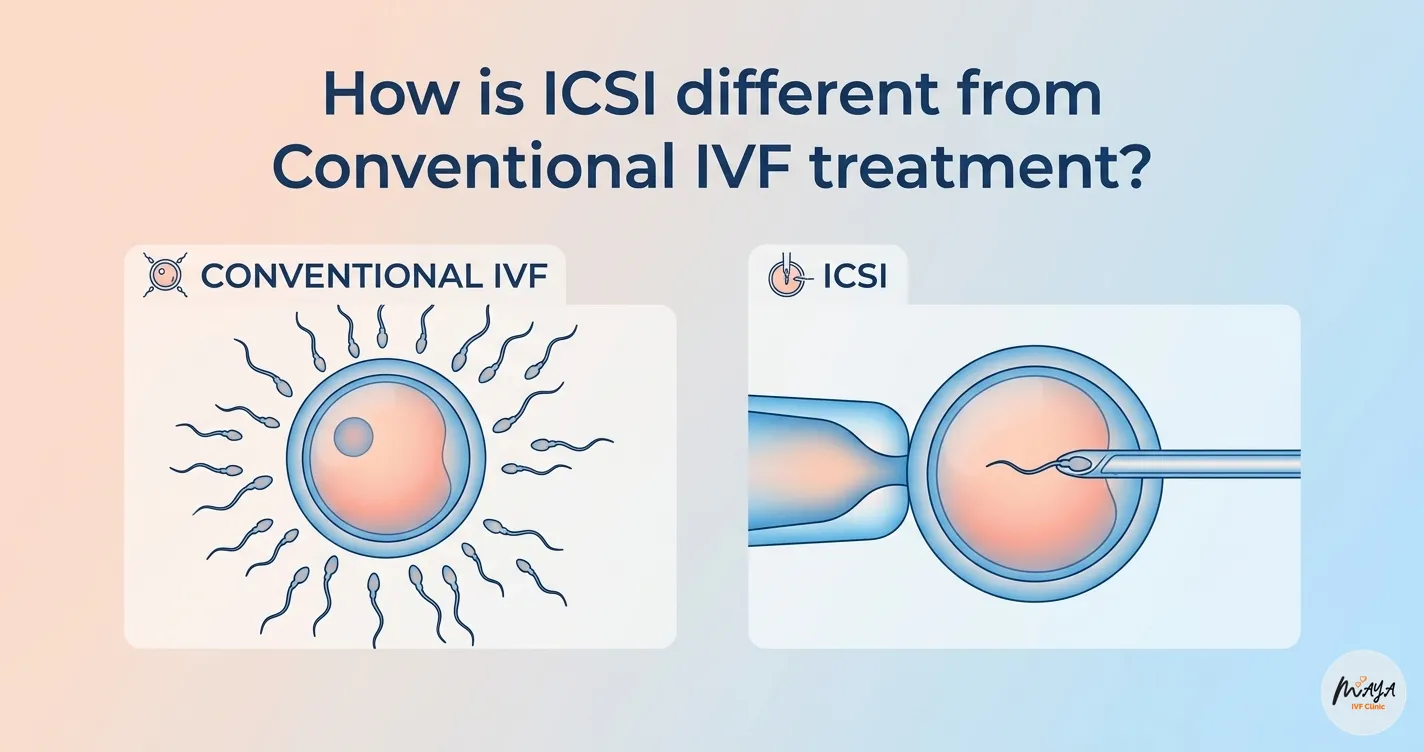
This is where most patients get confused. Here is the direct clinical answer. Standard IVF does not help with DNA fragmentation. In conventional IVF, thousands of sperm are mixed with the egg. The egg cannot choose undamaged sperm. Damaged sperm can still fertilize the egg. The resulting embryo may look fine initially but fail later.
ICSI helps slightly but does not solve the problem. ICSI allows the embryologist to select a single sperm based on appearance. A normal-looking sperm can still have badly damaged DNA. Without additional sperm selection tools, ICSI success rates drop significantly when fragmentation is high. Here are realistic success rates based on clinical studies. With standard IVF and a DFI above 30 percent, the pregnancy rate is below 10 percent per cycle. With standard ICSI and a DFI above 30 percent, the pregnancy rate is 15 to 20 percent per cycle. With ICSI plus advanced sperm selection methods like PICSI or MACS, the pregnancy rate rises to 30 to 40 percent per cycle.
Here is what actually happens in the lab. The egg is retrieved from the partner. The sperm sample is provided. With standard ICSI, the embryologist picks sperm based on shape and movement. With advanced selection, the lab uses special devices or magnetic beads to pick sperm with intact DNA. The selected sperm are injected into eggs. Embryos are cultured and transferred. If you have high fragmentation and are planning IVF, ask your clinic a direct question. Do you offer PICSI or MACS for sperm selection? If they say no, consider a different clinic.
Treatment Options for High DNA Fragmentation
Good news. DNA fragmentation is treatable in most men. Success depends on identifying the specific causes and addressing them systematically. Varicocele repair is the most effective medical treatment for men with a clinically significant varicocele and high fragmentation. Studies show that varicocelectomy reduces DNA fragmentation by 30 to 50 percent within three to six months. Infection treatment with appropriate antibiotics resolves inflammation and stops oxidative damage. A course of two to four weeks followed by retesting confirms improvement.
Antioxidant therapy reduces oxidative stress. The most evidence-supported supplements include vitamin C, 500 to 1000 milligrams daily. Vitamin E, 400 international units daily. Coenzyme Q10, 200 to 300 milligrams daily. Selenium, 200 micrograms daily. Zinc, 25 to 50 milligrams daily. L-carnitine, 500 to 1000 milligrams daily. Do not take all of these separately. Use a high-quality male fertility supplement that combines these ingredients.
Lifestyle modifications work for every man regardless of the cause. Stop smoking completely. Even cutting back helps, but quitting is best. Eliminate alcohol for three months. After improvement, limit to one or two drinks weekly. Reduce scrotal temperature by switching to boxers, avoiding hot tubs, and keeping laptops off your lap. Improve sleep to seven or eight hours per night. Manage stress through exercise, meditation, or therapy. Advanced fertility treatments are available for men who do not improve sufficiently with lifestyle and medical treatment.
PICSI, or Physiological ICSI, uses a special dish coated with hyaluronan to select mature sperm with better DNA integrity. MACS, or Magnetic Activated Cell Sorting, removes sperm with damaged DNA using magnetic beads. Testicular sperm extraction, or TESE, retrieves sperm directly from the testicle. These sperm often have less DNA damage than ejaculated sperm. This is the most effective but most invasive option.
Best Lifestyle Changes to Improve Sperm DNA Quality
If you change nothing else, start here. Diet changes that work. Eat five to seven servings of colorful vegetables daily for antioxidants. Add walnuts, almonds, and pumpkin seeds for zinc and omega-3 fatty acids. Eat cooked tomatoes for lycopene and berries for vitamin C. Reduce red meat and processed foods. Eliminate sugary drinks and excessive caffeine. Exercise properly. Moderate exercise for 30 to 45 minutes, four or five times weekly, reduces oxidative stress. Excessive intense training, like marathon running or heavy daily weightlifting, increases oxidative stress. Avoid anabolic steroids completely. They severely damage sperm DNA.
Environmental changes. Stop using plastic containers for hot food to reduce BPA exposure. Filter your tap water if you are concerned about heavy metals. Reduce exposure to pesticides by washing produce or buying organic when possible. Change jobs if you work with industrial chemicals without proper protection. Supplements to consider. A good male fertility supplement should contain vitamin C, vitamin E, coenzyme Q10, zinc, selenium, and folate. Take it consistently for at least three months before retesting.
How Long Does Improvement Take
Sperm production takes approximately 74 days from start to finish. This means any change you make today will affect sperm that are ejaculated roughly two and a half to three months from now.
Here is a realistic timeline. Months one to two. No change yet. The sperm being ejaculated were already in production before lifestyle changes began.
Month three. First improvements may appear. Repeat DNA fragmentation testing at three months.
Months four to six. Maximum improvement from lifestyle changes and supplements.
Months six to twelve. Additional improvement from varicocele repair or infection treatment.
Do not retest earlier than three months. Testing at six weeks will show the same results as before and cause unnecessary frustration. If you make all recommended changes and retest at three months with no improvement, additional medical evaluation is needed. Some men have genetic conditions that cause high fragmentation regardless of lifestyle.
When to See a Fertility Specialist
You should request DNA fragmentation testing if any of these apply. Failed IVF or ICSI. One failed cycle with poor embryo development. Two or more failed cycles with good eggs and normal routine semen analysis. Recurrent miscarriage. Your partner has had two or more miscarriages. Your partner has had a miscarriage after seeing a heartbeat. Long-term infertility. Trying to conceive for 12 months without success, and the routine semen analysis is normal. Trying for six months if your partner is over 35.
Poor routine semen analysis. Low count, poor motility, or abnormal shape on standard testing. Known risk factors. Varicocele diagnosed by physical exam. History of testicular infection or trauma. Smoking and failed fertility treatment. Occupational chemical exposure.
Do not wait for your doctor to suggest this test. Many general practitioners and even some fertility specialists do not routinely offer DNA fragmentation testing. You may need to ask directly.
Hope and Realistic Expectations
DNA fragmentation is a serious male fertility problem. It explains many cases of unexplained infertility, failed IVF, and recurrent miscarriage. But modern reproductive medicine can manage it effectively.
What is realistic?
Most men can reduce fragmentation by 30 to 50 percent with proper treatment. Natural pregnancy becomes possible for many couples after treatment. IVF and ICSI success rates improve dramatically with sperm selection techniques. Miscarriage risk returns to normal levels once fragmentation improves.
What is not realistic?
Expecting 100 percent of men to reach normal fragmentation levels. Some men have persistent damage despite optimal treatment. Expecting improvement without lifestyle changes. Supplements alone rarely fix high fragmentation in men who smoke or drink heavily. Expecting standard IVF to work when fragmentation is high. You need advanced sperm selection. The most important message. DNA fragmentation testing gives you information. Information allows targeted treatment. Targeted treatment gives you the best possible chance of success. Without testing, you are guessing. If you have been through failed fertility treatments without answers, this test may finally explain why. And explaining why is the first step to fixing the problem.
Frequently Asked Questions
1. Can DNA fragmentation cause miscarriage?
Yes. High DNA fragmentation increases miscarriage risk by two to four times. The embryo implants, but damaged genetic instructions from the sperm cause development to stop.
2. Can high DNA fragmentation be treated?
Yes, in most men. Varicocele repair, stopping smoking, antioxidant supplements, and lifestyle changes reduce fragmentation by 30 to 50 percent within three to six months.
3. Does ICSI help with DNA fragmentation?
Standard ICSI helps only slightly. Advanced ICSI with sperm selection methods like PICSI or MACS significantly improves success rates for men with high fragmentation.
4. What is a good DNA fragmentation score?
Below 15 percent is excellent. 15 to 25 percent is borderline. Above 25 percent is problematic. Above 40 percent is severe and requires aggressive treatment.
5. Can lifestyle improve sperm DNA quality?
Yes. Quitting smoking, eliminating alcohol, eating antioxidant-rich foods, and avoiding heat exposure improve DNA quality significantly within three months.
6. How is DNA fragmentation tested?
You provide a semen sample. The lab analyzes what percentage of sperm have damaged DNA using specialized tests like SCSA or TUNEL. Results take three to seven days.
Our Latest Blogs

Myths and Facts about Infertility
When it comes to infertility, there are a lot of myths revolving around it in our society.Initially,...
How is ICSI different from Conventional IVF treatm...
ICSI and Conventional IVF both are forms of assisted reproductive treatment (ART) in which eggs are...
5 Common causes of infertility in women
A condition is diagnosed as infertility when a heterosexual couple is unable to conceive after one y...

 Nepal International Fertility and Laparoscopic Centre (NIFLC).
All rights reserved.
Nepal International Fertility and Laparoscopic Centre (NIFLC).
All rights reserved.